Faster electrification could reduce Southeast Asia's exposure to imported fuel, but it would also move more of the region's energy security burden onto electricity networks. A new International Energy Agency report makes the coordination of equipment, generation and grids central to that tradeoff.
Two pathways with different energy needs
Published on 9 November 2026, Accelerating Electrification in Southeast Asia examines transport, buildings and industry. It compares the Stated Policies Scenario with a High Electrification Scenario. These are conditional analytical pathways, not observed outcomes or binding commitments.
The executive summary puts electricity at 25% of final energy consumption in 2025. That share reaches 32% in 2035 under stated policies and 41% under faster electrification. In the latter pathway, electricity consumption grows nearly 65%, while overall energy consumption rises only 2% for the same services.
The difference is not a contradiction. Efficient electric equipment can deliver a service using less final energy while requiring additional electricity. Electricity's share of final consumption is also distinct from the renewable share of generation.
Import savings depend on the supply side
Replacing an oil consuming vehicle with an electric one removes direct fuel use at the vehicle. It does not establish how the additional electricity is produced. A system that meets incremental demand with imported gas retains exposure to fuel costs through a different channel. Domestic generation, storage and reliable interconnection can change that exposure.
For utilities, higher electricity consumption is therefore an opportunity accompanied by capital requirements. Distribution upgrades, connections and dependable capacity must arrive in time. Revenue growth alone does not establish a stronger return when financing costs or regulated tariffs prevent timely cost recovery.
Equipment suppliers and charging operators face a related sequencing problem. Installing equipment before connections are available can delay revenue. Building networks without credible demand can leave assets underused. Investors need project specific commissioning and contract evidence before translating a regional scenario into company earnings.
Affordability at the point of adoption
The IEA identifies financing and energy price arrangements among the barriers to adoption. Even when lifetime running costs are lower, an upfront purchase can remain unaffordable. The relevant comparison is the cost of the service delivered, including equipment and financing, rather than the price of one unit of electricity against one unit of fuel.
FOLITIC's analysis of gas export capacity provides a separate example of infrastructure limiting how an energy balance translates into deliverable supply.
The IEA events calendar lists its November Oil Market Report for 13 November. That near term release may add fuel market context, but it will not validate a 2035 electrification pathway. No electricity tariff, futures quotation or measured market reaction is presented here.
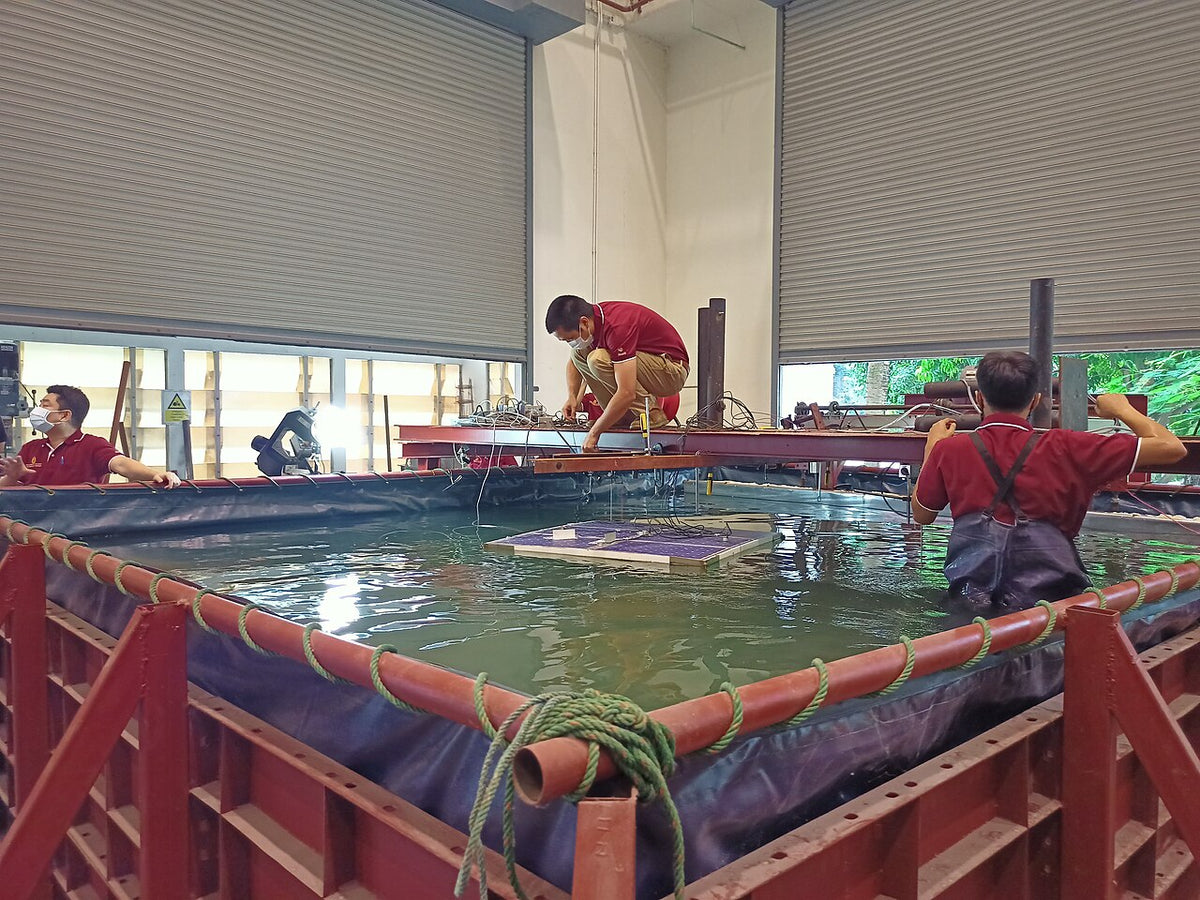
Archival photograph of a floating solar experiment in Thailand, 28 October 2021, by Joe628 via Wikimedia Commons, under Creative Commons Attribution 4.0. Resized for display. The image shows a test setup and does not depict operating regional generation capacity.