US rice ending stocks are projected at 39.9 million hundredweight for 2026/27, nearly 32% below the previous season's estimated 58.4 million. USDA's November 10 WASDE report shows that weaker total use does not fully offset the smaller supply. The monthly revision is much smaller, only 0.1 million hundredweight below October.
The year comparison is different from the monthly change
USDA projects production at 157.6 million hundredweight against 206.7 million in 2025/26. Imports of 49.8 million and opening stocks of 58.4 million bring total supply to 265.9 million. These supply and use figures express rough and milled rice on a rough equivalent basis.
Total use is projected at 226.0 million hundredweight, including 78.0 million of exports. Domestic and residual use is 148.0 million. The residual component should not be treated as a direct measurement of food consumption.
A smaller buffer changes procurement questions
Dividing ending stocks by total use gives about 17.7%, compared with 23.8% for 2025/26. This calculation describes a national balance sheet. It does not establish the quantity immediately available to a particular mill, rice class or export buyer.
For processors, a smaller buffer makes delivery schedules, quality requirements and committed inventory more relevant. It does not prove an imminent shortage or a rise in retail rice prices. Imports, substitution and changes in buying can moderate pressure.
Keep forecasts separate from market prices
The crop and ending stock figures remain USDA projections. A further reduction in demand would soften the balance, while an unexpected production or import shortfall would tighten it. Neither scenario is a reported futures price movement.
Source USDA November 2026 WASDE, US rice supply and use table. The stock decline is calculated as 39.9 divided by 58.4, minus one. All national quantities above are million hundredweight, not metric tonnes of milled rice.
For context on crop cycles and delivery constraints, see FOLITIC on grains and soft commodity markets.
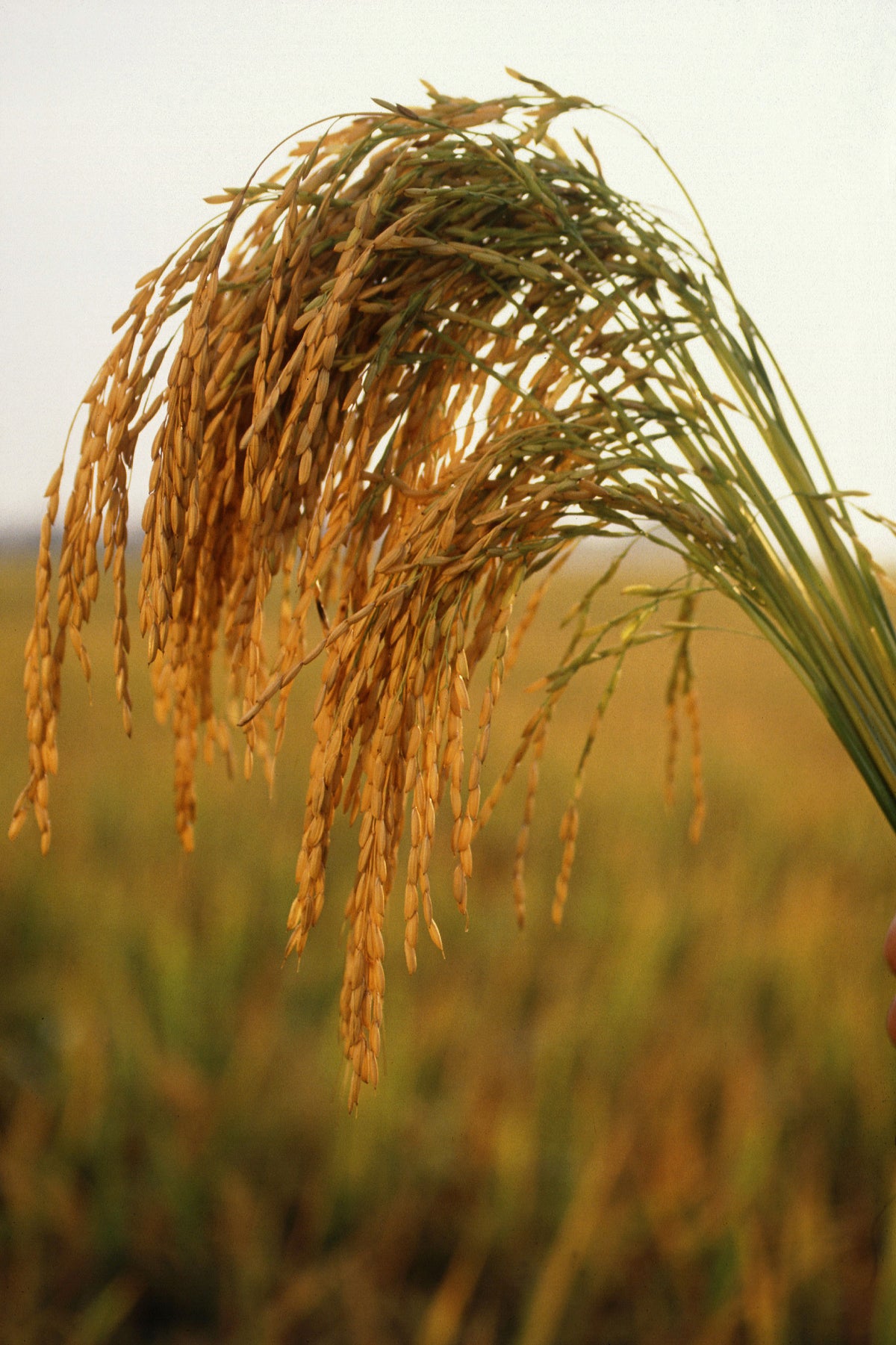
Archival image credit Keith Weller, USDA Agricultural Research Service, via Wikimedia Commons. Public domain federal government photograph, not a picture of the 2026 harvest.