Mexico's projected sugar exports for 2026/27 fell by 99,000 metric tonnes in USDA's November 10 balance sheet. The new 1.094 million tonne forecast is 8.3% below October's projection, even as expected ending stocks rise.
Less sugar for export does not mean lower stocks
The production forecast declined from 5.377 million to 5.292 million tonnes, a reduction of 85,000 tonnes. But opening stocks increased and projected domestic use was unchanged. The export reduction therefore accompanies a larger projected carryover, not an across the board disappearance of inventory.
USDA now projects ending stocks of 1.154 million tonnes, up from 1.124 million. These are forecasts for the same season compared across two monthly reports. They are not measured changes in warehouse inventory during November.
What buyers should compare
An importer should distinguish total Mexican export availability from a supplier's committed volume, delivery timing and product specification. A smaller national export projection can narrow sourcing flexibility, but it does not establish that an individual contract will be delayed or repriced.
The domestic use category also includes more than household consumption. It incorporates specified industrial and statistical components. Treating it as a direct measure of consumers eating sugar would misread the table.
The next evidence that would change the view
Stronger mill output or lower domestic requirements could restore export availability. A weaker crop could make procurement more difficult. These are conditional scenarios. No spot quote or futures settlement is used here, and this forecast alone cannot establish a rise in retail food prices.
For the reporting distinction, see how to read commodity reports without mixing the numbers.
Source USDA November 2026 WASDE, Mexico sugar supply and use table. Quantities are metric tonnes of actual weight. The percentage is calculated from 1.094 divided by 1.193, minus one. Rounded table components may not add exactly.
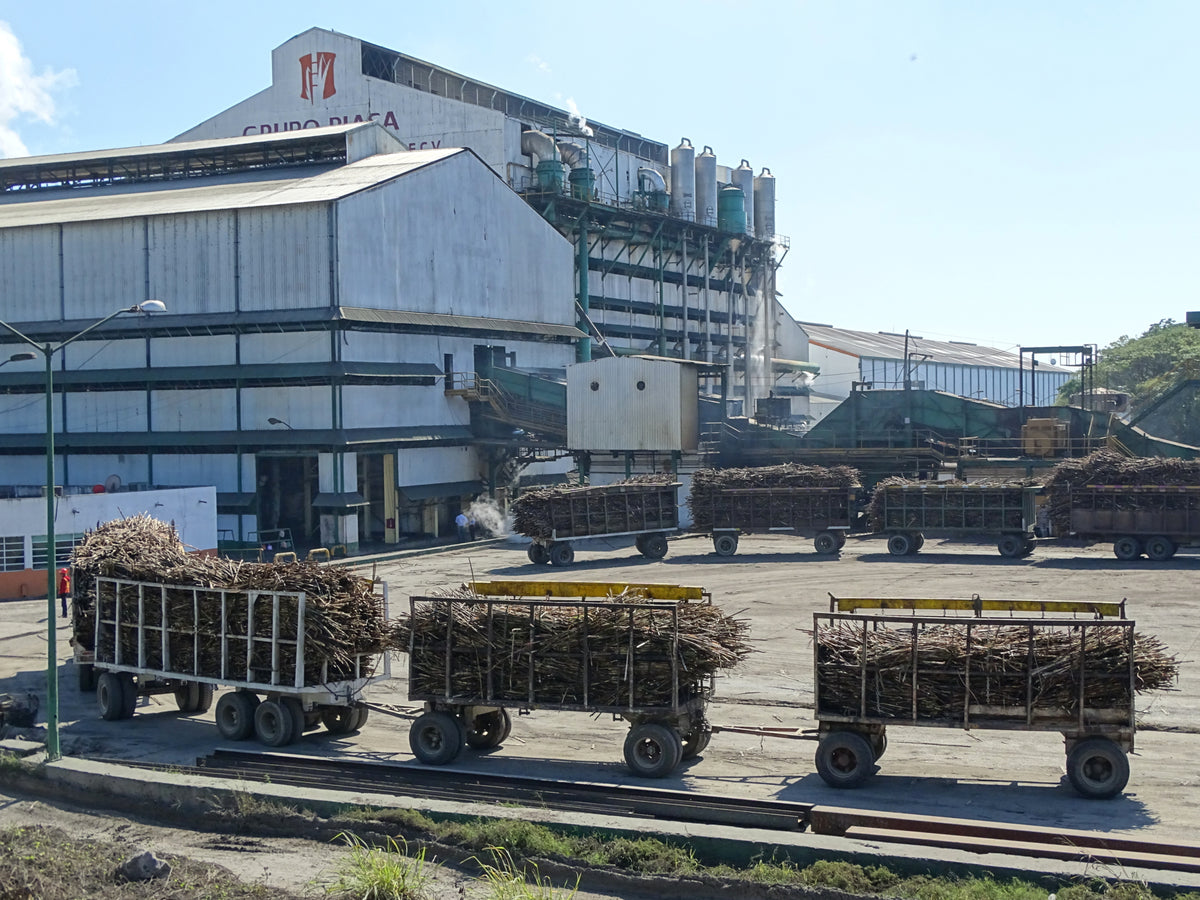
Archival photograph Adam Jones via Wikimedia Commons, CC BY SA 2.0. Taken in 2018, not evidence of current mill activity.