US coal consumption is forecast to fall 7% in 2026, but production is expected to decline only 2% as rising exports absorb part of the domestic weakness. The US Energy Information Administration's November 10 outlook puts consumption at 419 million short tons and projects an 11% increase in exports compared with 2025. These are annual estimates, not completed year totals.
Export access separates the winners from the average
The gap matters because a national export increase does not give every mine an equivalent outlet. Coal quality, rail costs, port capacity and customer contracts determine whether a producer can sell economically abroad. Stronger overseas demand can cushion output without eliminating pressure on mines tied to domestic electricity customers.
EIA links weaker power sector coal demand to additional wind and solar capacity and cheaper natural gas. Its outlook expects a further 5% decline in coal consumption in 2027, with production falling 4% and exports broadly flat. Those assumptions leave less export growth available to absorb another domestic contraction.
A volume cushion is not a profit guarantee
Export tonnes and domestic tonnes can carry different prices and transport costs. Higher export volume can support production while delivering less improvement in cash generation than the headline suggests. The national forecast cannot establish the margin of an individual mine or railway.
For electricity users, lower coal demand does not by itself demonstrate a lower retail bill. Fuel procurement, network charges and the generation mix matter. This report contains no live coal quote or verified market price reaction.
The conditions to watch
More competitive gas prices or additional renewable generation could deepen pressure on domestic coal use. Stronger overseas buying could provide an offset, subject to logistics. If export demand disappoints, producers would have a smaller buffer against the projected consumption decline.
Source EIA November electricity and coal outlook, with forecasts completed November 5. Quantities use short tons, which should not be combined directly with metric tonnes.
For the wider framework, see FOLITIC on reading commodity reports and separating forecasts from observed prices.
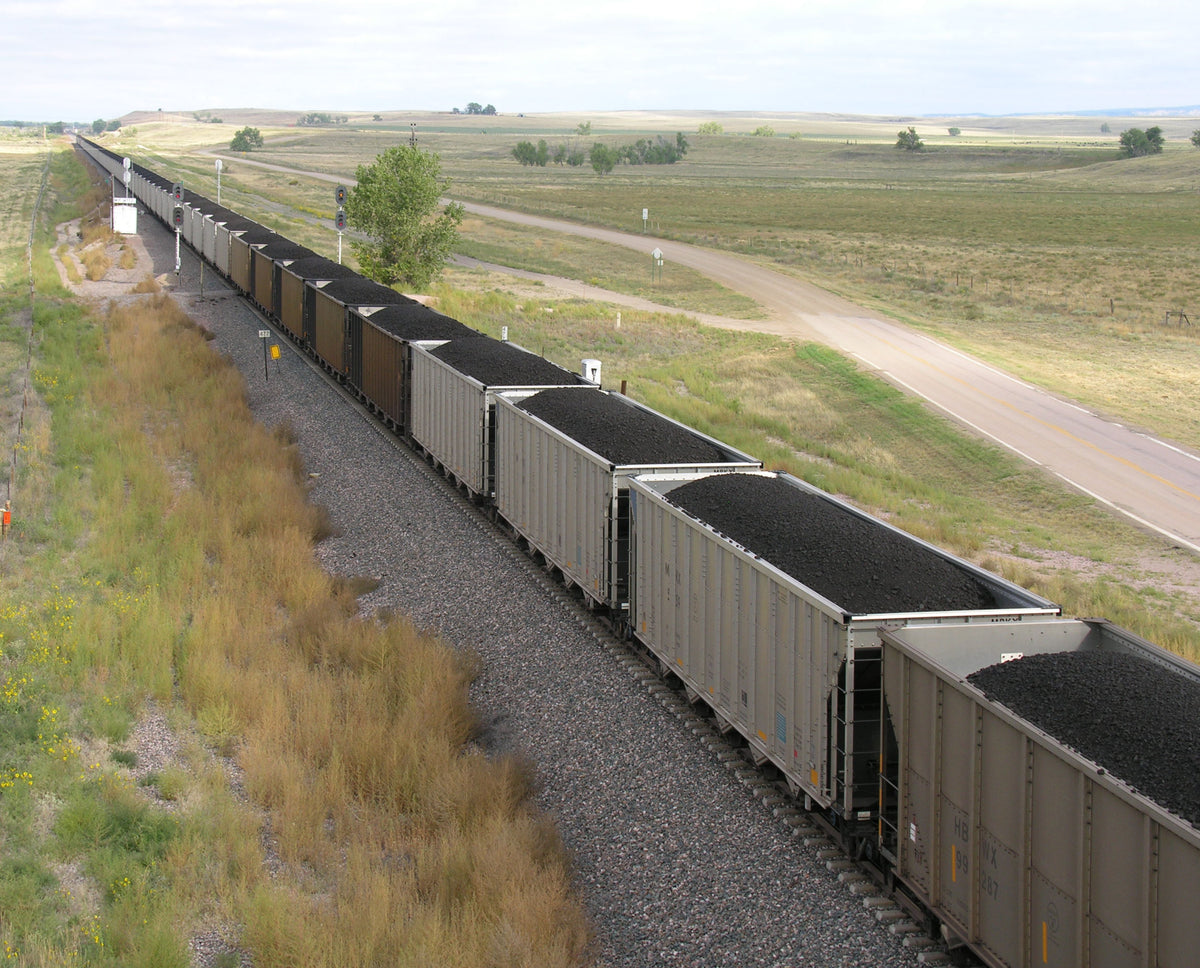
Archival image of coal railway cars in eastern Wyoming, by Greg Goebel via Wikimedia Commons, Creative Commons Attribution Share Alike 2.0. Unmodified apart from display resizing. The photograph does not document 2026 shipments.