News and analysis. 9 November 2026.
South Crofty has moved from seeking investment approval toward delivering a new source of tin. The milestone strengthens the project's development case, but it does not add metal to today's market. Construction and commissioning remain the tests between financial commitment and physical supply.
What changed at South Crofty
Cornish Metals announced on 9 November that its board had approved the final investment decision for South Crofty in Cornwall, United Kingdom. Shareholders passed the resolutions needed for the previously announced fundraising of £135 million in gross proceeds. The company continues to expect first tin production in mid 2028.
The company announcement distributed through MFN says admission of the new shares to AIM is expected on or around 10 November 2026. At the time of this report, that remains a scheduled step rather than a completed event. The fundraising amount is in pounds sterling and is gross, before relevant expenses.
A financing milestone is not a shipment
For the tin market, the relevant change is the project's progression toward construction delivery. A board decision and shareholder approval improve the visibility of the development path. They do not establish how much saleable material will arrive in a particular month, nor do they remove engineering, procurement or commissioning risks.
Industrial buyers should therefore separate the possibility of a future supply source from present availability. A project can matter to longer term sourcing plans while offering no immediate relief to a buyer who needs metal now. Existing inventories, current producers and delivery contracts still determine that near term position.
The same separation matters for investors. An operating mine can be assessed through production, recoveries and costs already reported. A development project depends more heavily on milestones still to be achieved. Funding approval changes one part of that assessment, while spending discipline and execution determine what follows.
The next evidence should be operational
Completion of the remaining financing steps, progress against the construction timetable and evidence from commissioning would strengthen the case that planned supply is becoming deliverable. Delays, cost overruns or weaker operating results during commissioning would weaken it. These are conditional tests, not predictions that such problems will occur.
First production also differs from sustained output at a planned operating rate. Readers should avoid counting an entire future year's production simply because a first production date has been announced.
FOLITIC's guide to commodity cycles and production costs explains why building new supply involves a different test from keeping an existing operation running.
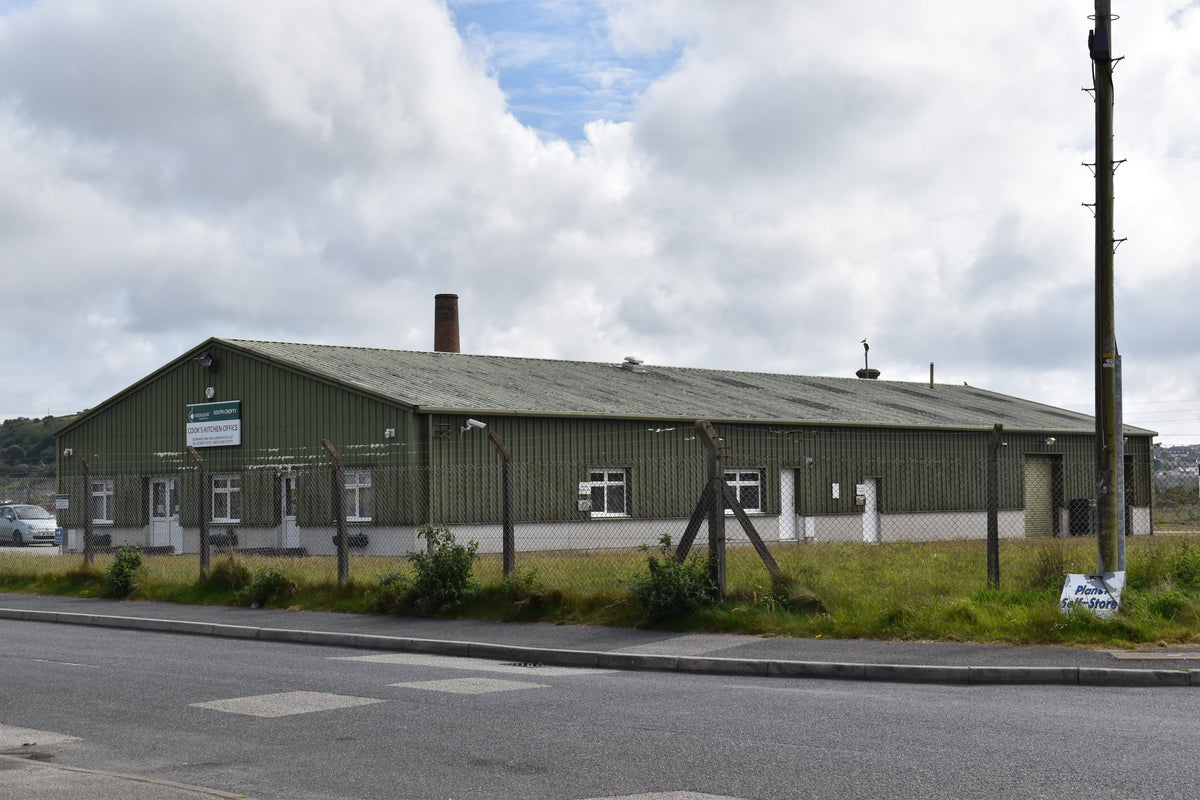
Archival photograph of Cook's Kitchen office at South Crofty, taken on 26 May 2021 by Partonez, via Wikimedia Commons. Licensed under Creative Commons Attribution ShareAlike 4.0. Displayed at responsive sizes and previews may be cropped. The photograph remains under the same license and does not show current construction.