News and analysis. Announcement dated 9 November 2026.
NRG Energy has agreed to sell six US gas power assets to LS Power for $4 billion in cash, subject to closing adjustments. The proposed transfer covers 4.9 GW of existing generating capacity. For electricity markets, the immediate distinction is ownership rather than new supply. Signing the agreement does not add generating units or demonstrate a change in their output.
Existing plants across three power markets
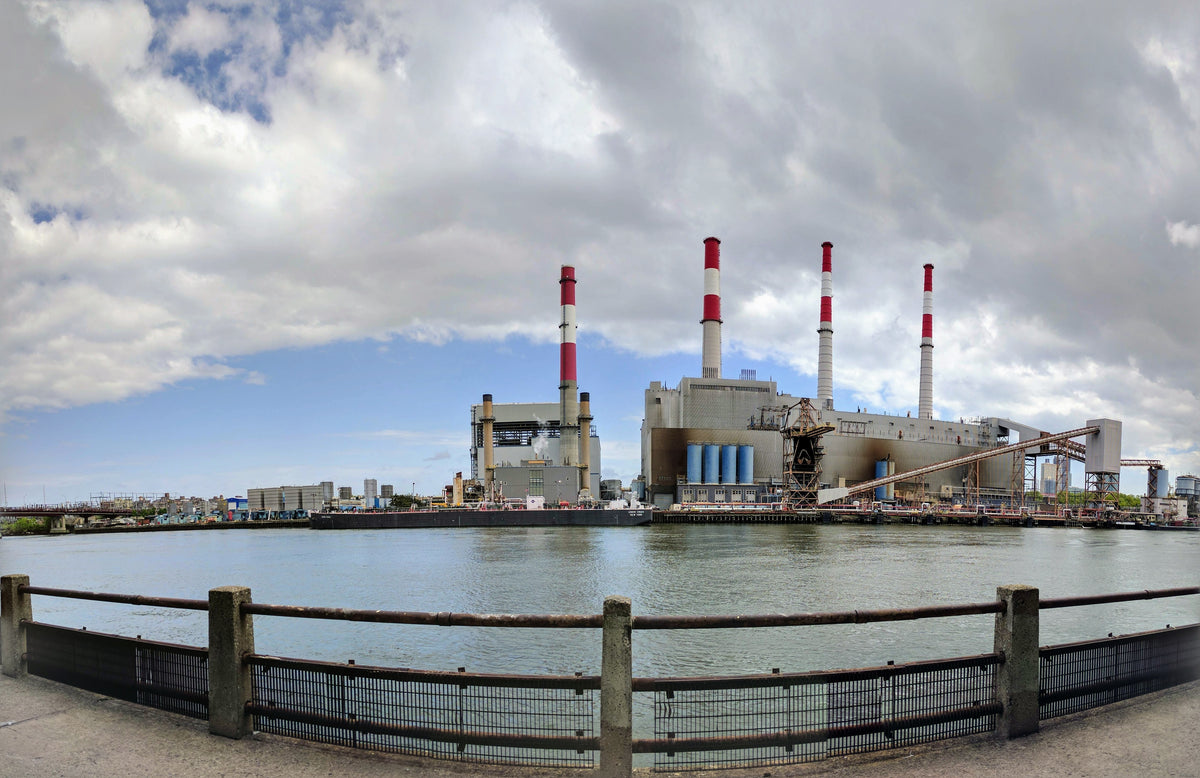
The buyer’s announcement identifies facilities in Texas, New York, Rhode Island and Connecticut. Jack County, Johnson County and R.W. Miller are in Texas. Ravenswood is in New York, Ocean State Power in Rhode Island and Wallingford in Connecticut. The portfolio includes combined cycle, simple cycle and steam turbine equipment.
NRG’s statement places the assets in ERCOT, the New York market and the New England market. It targets completion in the second quarter of 2027, subject to closing conditions and regulatory reviews, including federal competition requirements, the Federal Energy Regulatory Commission and the New York State Public Service Commission. The sale remains pending.
Capacity is not electricity delivered
The 4.9 GW figure describes generating capacity. It is not an amount of electricity already produced, an annual energy forecast or an assured contribution during every peak hour. Actual generation depends on dispatch, fuel availability, maintenance and operating constraints. No plant output or gas consumption estimate is implied by the transaction total.
LS Power presents the purchase as an investment in existing dispatchable generation. That rationale highlights the value of plants already connected to the grid. It does not establish that reserve margins improve simply because the owner changes. For consumers, any eventual effect on wholesale prices depends on how the assets operate and compete within each regional market.
What changes for NRG and gas demand
For NRG, listed on the NYSE, the sale would exchange future plant earnings for cash and a smaller generation portfolio. The company plans debt reduction and additional share repurchases. Those plans remain distinct from completed payments. Their value to shareholders depends on the earnings relinquished, financing costs and execution, rather than the headline proceeds alone.
For gas suppliers, a transfer of ownership is not evidence of higher fuel demand. Increased utilization could raise consumption, while outages or weaker power demand could reduce it. Plant efficiency and competing generation would also matter. The announcement does not quantify those changes.
The next evidence to watch
Regulatory decisions and a confirmed closing date are the next transaction milestones. Subsequent operating disclosures would be needed to assess changes in availability or output. If the assets continue operating on similar terms, the principal immediate change would be who receives their earnings and bears their risks. Changes in dispatch or investment would require separate evidence.
The agreement and sale terms are also documented in NRG’s SEC exhibit. This analysis does not assert a measured stock price reaction or a forecast for electricity prices.
Archival photograph of Ravenswood Generating Station from Roosevelt Island, taken on 6 May 2017 by GaoKyle. Image source. Licensed under Creative Commons Attribution ShareAlike 4.0. Shown without editorial alteration. Responsive previews may be resized or cropped and remain under the same license. The photograph does not depict the agreement or current operating conditions.