Electronic component suppliers face a weaker sales outlook heading into November, according to ECIA's October Industry Pulse survey released on November 10. The reading challenges the assumption that strength in one part of electronics necessarily means improving conditions throughout the supply chain.
The association's release puts the overall November outlook at 112.4 after a 19.2 point decline. Passive component expectations reached 100, a neutral reading. These are index points, not percentage changes in revenue or units shipped.
Expectations are an early signal
ECIA surveys manufacturers, distributors and manufacturer representatives across component categories and end markets. Its public release does not provide the response count or enough weighting detail to establish statistical representativeness. The association represents industry participants, and its commentary should be read in that context.
A deterioration in confidence can precede lower orders, but can also reflect temporary caution, customer scheduling or inventory management. The reported numbers therefore support a weaker outlook among respondents. They do not establish that total electronics sales have already contracted.
Inventory exposure can separate suppliers
If customers reduce order commitments while suppliers retain stock, cash may become tied up in inventory even before reported revenue weakens. Distributors can face a different adjustment from manufacturers because their exposure includes the mix and age of stock held across multiple suppliers.
Manufacturers with specialised products and committed orders may respond differently from suppliers facing short order cycles. That distinction makes customer mix, cancellations and delivery schedules more informative than a single industry headline. The public survey summary does not provide enough company detail to assign a winner or loser among listed suppliers.
What would confirm the warning
The next test is whether weaker expectations are followed by softer bookings, higher cancellations or lower realised sales in company disclosures. Improving orders without a build in unwanted stock would weaken the cautious interpretation. Rising inventories alongside slowing sales would strengthen it.
Investors comparing component producers and distributors should examine operating cash flow and inventory alongside margins. A sentiment decline alone cannot establish a fair share price, justify a sector wide earnings cut or explain a market move. This analysis makes no claim about measured share price reactions.
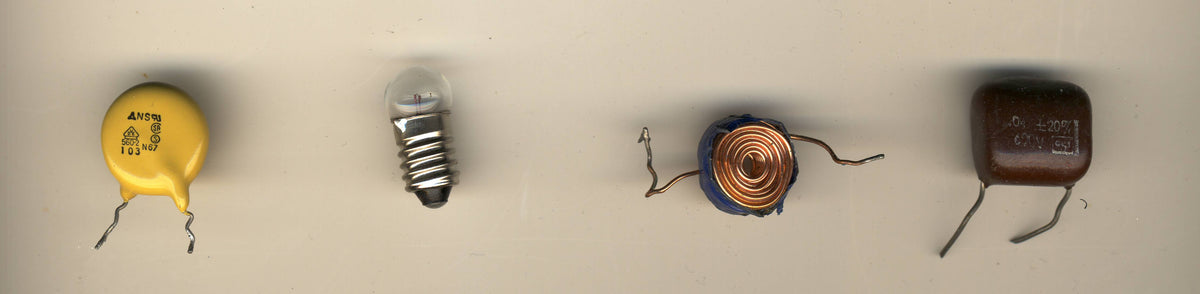
Archival component photograph by gunthercox, made available under the CC0 public domain dedication.