USDA lowered both US cotton production and domestic mill use in its November 10 outlook for the 2026/27 season. Expected mill use is now 1.4 million bales, down 100,000 from October. That demand reduction partly offsets the tighter supply signal from a smaller crop.
The demand side changes the interpretation
A production loss alone would leave less fibre available for a given level of use. When mills also consume less, some of that pressure is relieved. The report therefore requires a joint reading of supply and demand, rather than a conclusion based only on the harvest revision.
For a grower, reduced output can hurt revenue even if local prices strengthen. For a mill, cheaper raw fibre is not necessarily good news if weaker orders leave machinery underused. Those exposures differ from a trader's position in a cotton futures contract.
Watch orders and actual consumption
Mill use measures fibre entering industrial processing. It does not directly measure retail clothing sales. Orders, inventories of finished textiles, imported fabric and substitution between fibres can interrupt the connection.
If domestic processing stabilizes while export shipments hold up, the smaller crop could become more important for availability. If mill demand weakens further, tighter production need not translate into stronger prices. These are conditional channels, not reported market reactions.
The coming weekly trade releases can help test external demand, but bookings and shipments must remain separate. Read how agricultural commodities move from harvest to customer for the underlying distinctions.
Source. USDA November 2026 WASDE. Cotton balance sheet bales represent 480 pounds. Seasonal estimates are projections and can change.
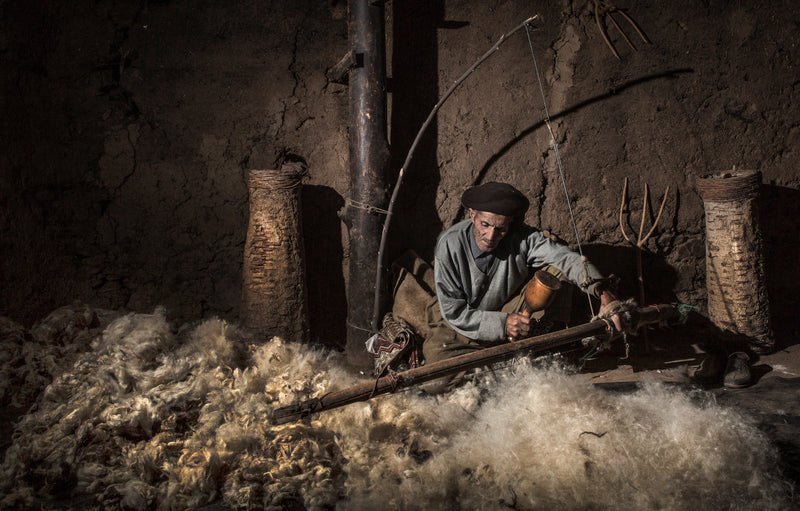
Image credit. Sooner555, Wikimedia Commons, Creative Commons Attribution Share Alike 3.0. Unmodified archival photograph from November 24, 2012, not the current crop.