Canada added 10 active drilling rigs in the week to November 13, taking its total to 233, while the US count fell by three to 601. The divergence gives drilling suppliers a stronger weekly activity signal north of the border, without establishing that Canadian oil production has increased.
The Baker Hughes census compares those totals with November 6. Canada was also 45 rigs above the November 14, 2025 count, while the US was 52 higher. Both countries therefore remained above the comparable year earlier reading despite moving in opposite directions over the latest week.
Canada supplies the regional increase
FOLITIC calculates that Canada's weekly increase was about 4.5%, from 223 rigs. Its annual increase was about 23.9%, from 188. Adding the two countries gives a North American total of 834, up seven for the week. These calculations use counts of active rigs, not barrels of oil, gas volumes or equipment available for hire.
The headline totals also span different drilling targets. They do not establish that all 10 additional Canadian rigs were drilling for oil.
Activity can help suppliers before barrels reach market
Baker Hughes describes the count as a business indicator for drilling suppliers. Its methodology requires a North American rig to drill on at least four days during the week. Equipment in transit, being assembled, or engaged solely in completion or production testing is excluded.
The investment implication is conditional. More sustained drilling activity can expand demand for equipment, crews and consumables. Whether that becomes higher supplier earnings depends on contract rates, costs and the work each supplier actually wins. A higher national total does not identify those beneficiaries.
For producers, the missing bridge is the transition from drilling to completed, producing wells. The census alone cannot establish how quickly new supply will arrive or whether it will offset declines elsewhere. It also cannot demonstrate a change in retail fuel prices. FOLITIC's coverage of ADNOC Drilling's Kuwait awards provides a separate example of why announced work and operational timing need to be distinguished.
November 20 provides the next comparison
Under Baker Hughes' published weekly schedule, the next count is due November 20 at noon US Central time. Another Canadian increase would strengthen the case that the latest rise is persisting. A reversal would weaken that reading. Neither outcome would, on its own, establish a production or commodity price trend.
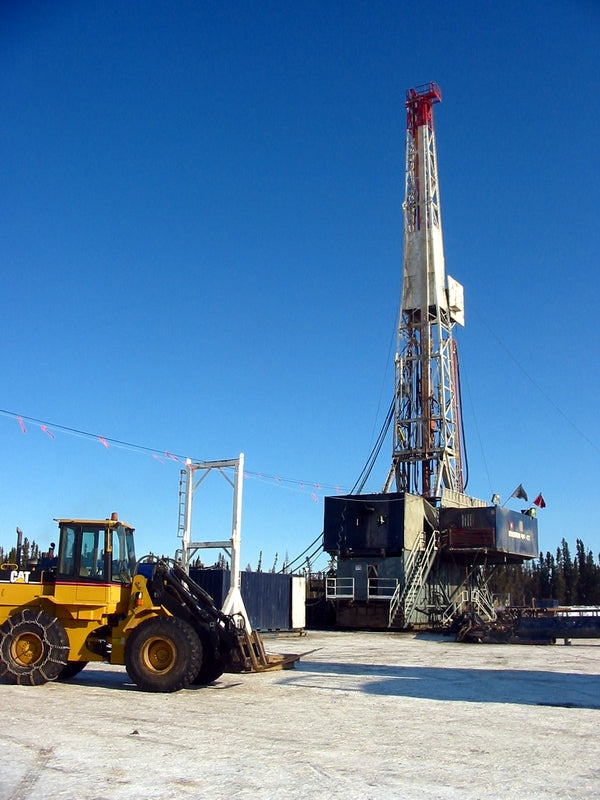
Cover photograph is an archival view of a drilling rig in northern Alberta. Wikimedia Commons credits Qyd. Original image, uploaded February 14, 2006, under CC BY SA 3.0. No editorial alteration. Display sizing may vary. The photograph does not document the November 2026 count.