Turkey is expected to import 5.3 million cotton bales in 2026/27, up 300,000 from USDA's October forecast. The 6% upward revision comes alongside a smaller domestic crop estimate, making replacement supply the central issue for textile buyers rather than a new surge in mill consumption.
Imports replace most of the production cut
USDA's November Cotton World Markets and Trade report reduces Turkish production by 350,000 bales and ending stocks by 50,000. Domestic use is unchanged at 6.8 million. The additional imports therefore offset most, but not all, of the crop reduction in the revised balance sheet.
All quantities here use USDA's standardized 480 pound bales. The import figures are seasonal projections, not contracts awarded or cargoes already delivered. FOLITIC calculates the 6% revision as 300,000 divided by the previous 5 million bale forecast.
Procurement exposure rises without stronger consumption
The practical implication for a mill is a change in where cotton must be sourced. If the projected shortfall materializes, a buyer relying on local fiber may need more overseas supply, with delivery timing, financing and currency exposure entering the comparison.
That does not establish that the mill's total purchasing cost has risen. The outcome depends on the price and quality of replacement cotton, existing contracts, freight and any currency hedges. A rise in import volume can accompany unchanged production of yarn if imported fiber replaces domestic supply.
For cotton exporters, the revision identifies an additional potential destination for sales. It does not assign the business to a particular country or producer. Fiber specifications and commercial terms still determine which offers are suitable.
The distinction complements FOLITIC's coverage of China's cotton reserve sales, where stored fiber can substitute for other sources of supply. A change in procurement source should not be mistaken for an equivalent change in final clothing demand.
The next week can test sales interest
The USDA calendar lists the next US Weekly Export Sales report for November 19 at 8.30 a.m. Eastern time. Sales and shipment detail may help assess one supplier's role, but cannot confirm Turkey's full import season. If actual procurement falls short of the projection, the adjustment would have to come through a different balance of stocks, domestic supply or use.
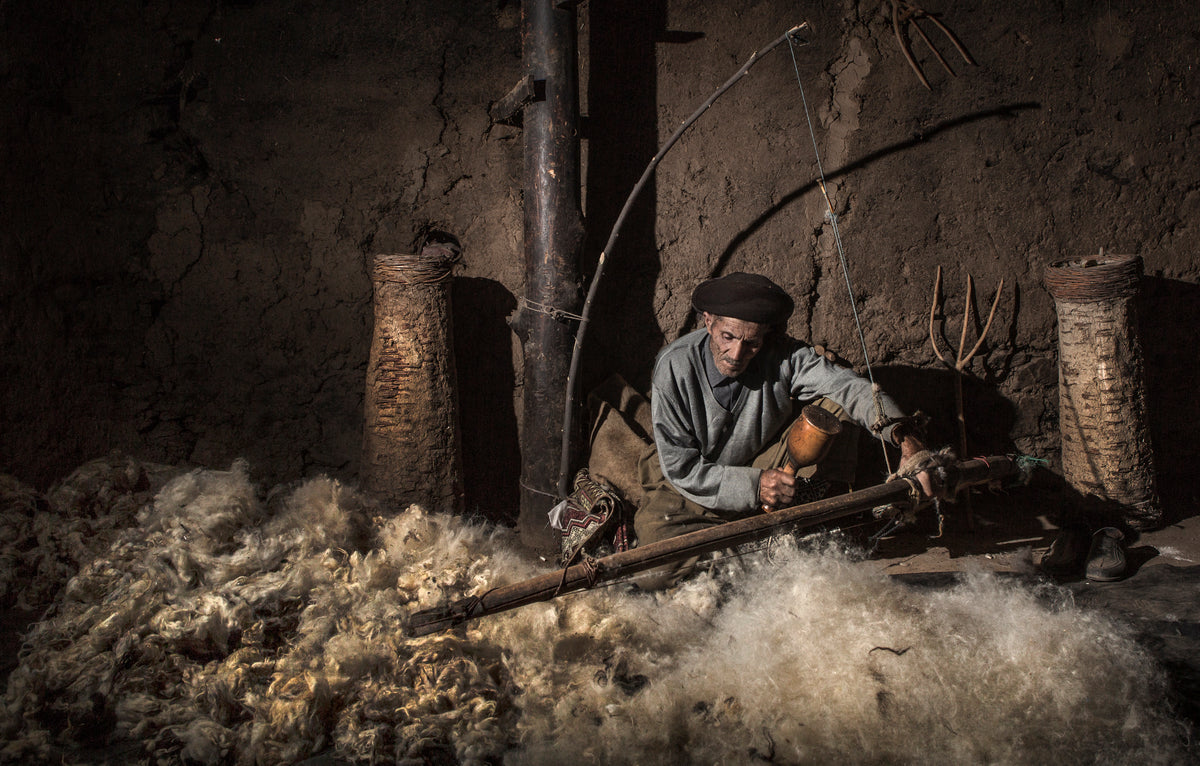
Cover photograph shows a cotton worker in Kültür, Turkey, on September 27, 2020. Photograph by Musatalasli via Wikimedia Commons, licensed CC BY SA 4.0. Used unchanged as an archival illustration of cotton work, not as evidence of current industrial output.