Brazil's wheat harvest has advanced to 78.4% of the area tracked by Conab, but quality problems in southern growing regions mean the larger harvested share is not an equivalent increase in grain suitable for milling. For buyers, the key issue is the specification of the available wheat, rather than the harvest percentage alone.
Conab's November 9 crop monitoring report, covering November 2 to 8, describes variable quality and yields in Rio Grande do Sul, low quality and productivity in Paraná, and rain and hail damage in Santa Catarina. Its separate market assessment says reduced availability of breadmaking wheat was supporting firm domestic prices even as international wheat quotations weakened.
Harvest progress does not measure usable output
The preceding monitoring report put progress at 66.9%. The move to 78.4% is an increase of 11.5 percentage points. It measures the share of area harvested, not a rise of 11.5% in tonnage, yield or milling grade supply.
That distinction matters when weather affects quality as well as volume. A mill may face a narrower choice of acceptable lots even as harvesting proceeds. Procurement needs depend on the characteristics of the grain available and the flour being produced. A broad benchmark can therefore give an incomplete picture of a specific buyer's costs.
A split signal for producers and buyers
Firm quotations for suitable grain do not imply that every grower benefits. A producer with damaged grain can face a different outcome from one selling a lot that meets a buyer's requirements. For millers, access to suitable domestic supply, the cost of alternatives and delivery timing determine the practical exposure.
This is not evidence that retail bread prices have risen. Passing a grain cost change through to flour and then bread depends on contracts, processing expenses and commercial decisions. The reports reviewed do not quantify that pass through.
What would change the assessment
Further harvest progress combined with better quality results could ease the sourcing problem. Continued quality losses would leave the national harvest percentage a weak guide to milling availability. The November 9 monitoring report includes a weather outlook through November 16, but a forecast is not a measured loss and is not converted here into tonnes of damage.
For context, see how quality and location shape a commodity quote.
Sources and photograph
Sources are Conab's November 9 crop monitoring, the preceding report and the November 9 market assessment.
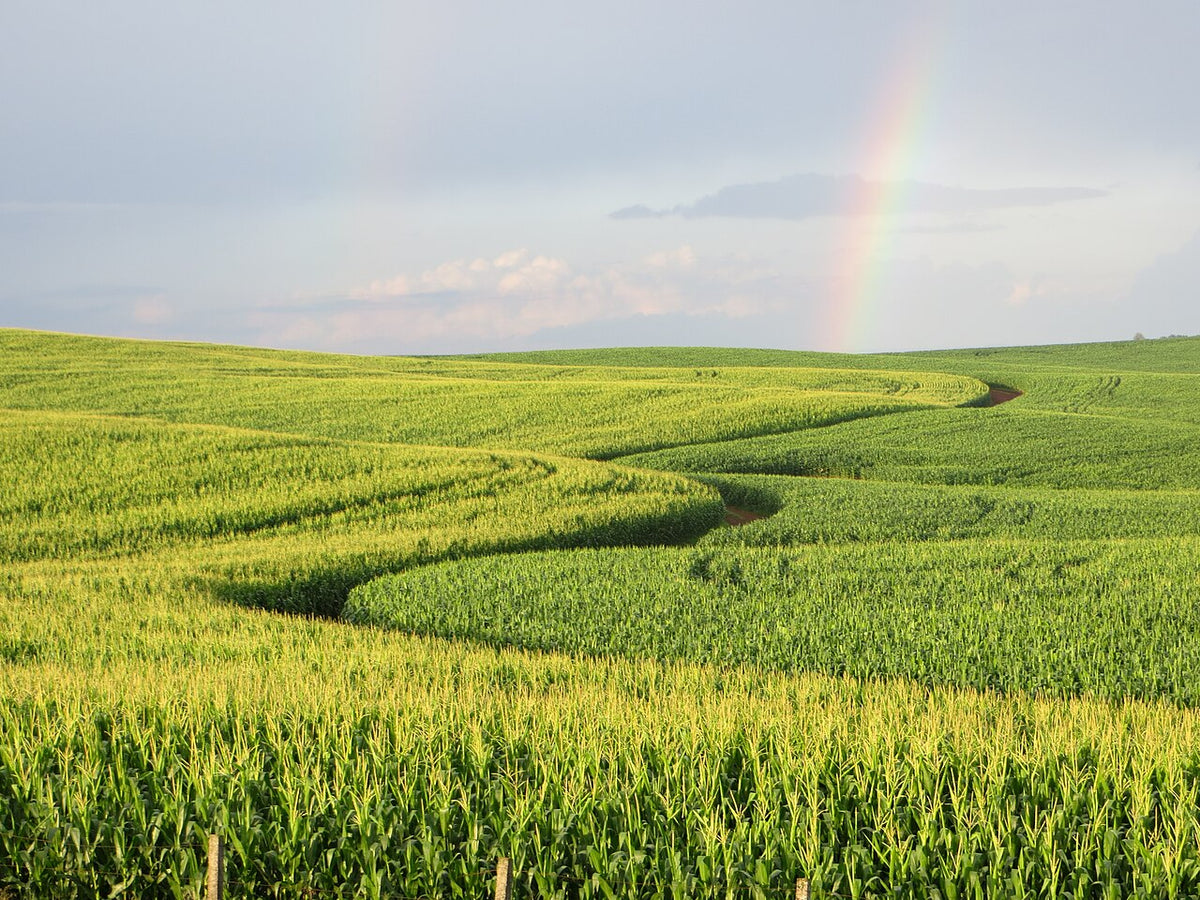
Archival wheat field in Guarapuava, December 12, 2013. Photograph by Deyvid Aleksandr Raffo Setti, Creative Commons Attribution ShareAlike 3.0, via Wikimedia Commons. Display size reduced. The photograph does not document the current crop damage.