Alaska could add 60,000 barrels per day of crude oil production in 2027, according to the US Energy Information Administration’s November 12 outlook. Its forecast of 505,000 barrels per day implies growth of about 13% and would mark the highest annual output since 2014.
New wells must outrun older declines
EIA identifies Pikka Phase 1 and Nuna as the main contributors. Pikka began producing in May and reached 38,000 barrels per day in September. Its expected winter peak is 80,000 barrels per day. Nuna has averaged 10,000 barrels per day this year against an expected peak of 20,000.
The difference between Pikka’s September production and projected peak is 42,000 barrels per day. That is a conditional increase at one project, not an addition already delivered to customers. Field peaks, annual averages and statewide net growth describe different quantities and should not be added together.
Why the regional gain matters
Higher sustained output can spread transport and operating costs over more barrels and provide additional supply for buyers able to handle the crude. But an increase in Alaska does not establish an equivalent increase in all US output. Declines elsewhere, maintenance and the timing of deliveries remain relevant.
Producers benefit from saleable volume only after operating and transport costs. Refiners assess crude quality and delivered cost, rather than treating every additional barrel as interchangeable. More upstream output also does not prove a fall in household fuel bills, which depend on refining, distribution, taxes and local competition.
The next checks
The November 18 US weekly petroleum report is the next scheduled Wednesday release at 10.30 a.m. Eastern under EIA’s published timetable. Weekly estimates offer context but cannot establish that a full year forecast has been achieved. Sustained field production and later monthly data will provide a firmer test.
Read our guide to oil and natural gas markets for the distinction between physical supply and market prices. No live price or immediate price response is asserted.
Source EIA Alaska outlook, November 12, 2026.
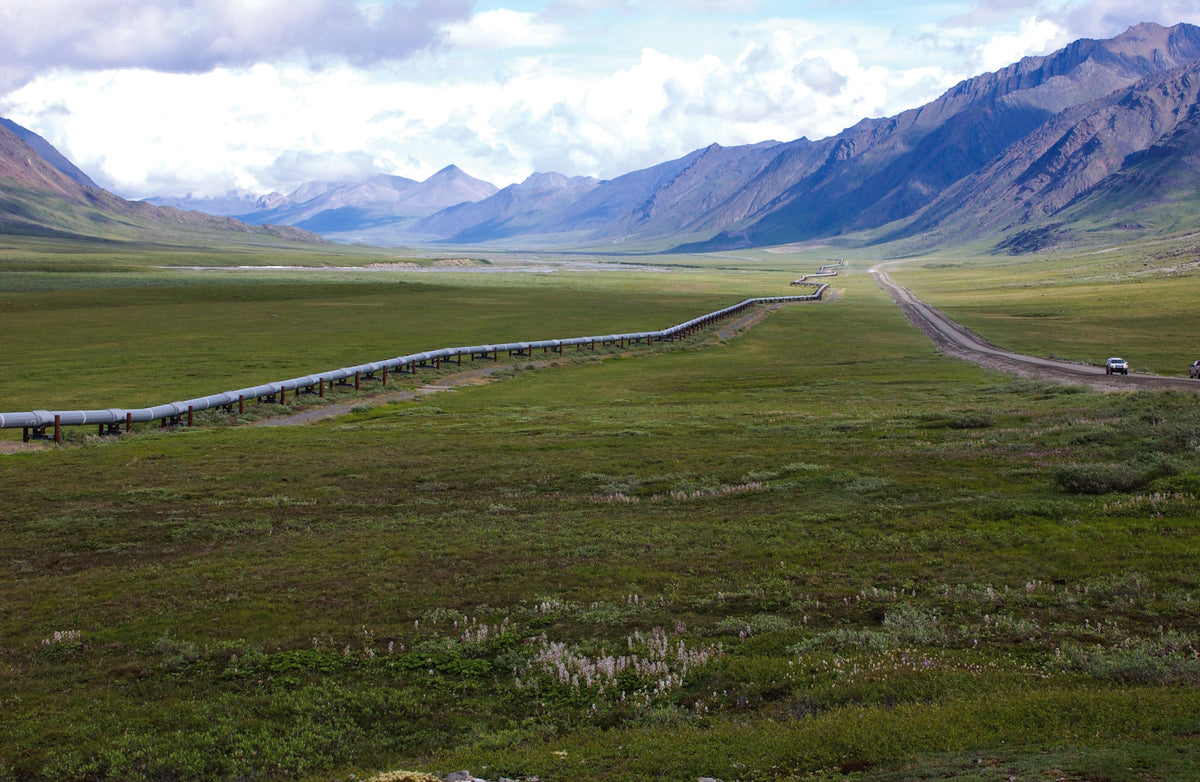
Archival photograph from June 2007. US Geological Survey. Creative Commons Attribution 2.0. No further changes.