

The reconstruction became effective in February
Smithson’s shareholder notice says the reconstruction took effect following approval at the February 27, 2026 general meeting. The investment trust entered members’ voluntary liquidation, with eligible holders able to take cash or roll their investment into Smithson Equity Fund, an open ended investment company.
The notice records a rollover ratio of 15.22 new fund shares per former ordinary share and says cash entitlements were dispatched on March 13. These were implementation terms for that reconstruction, not a current offer to new investors.
Source: Smithson shareholder notice on the completed reconstruction, accessed October 14, 2026.
The wrapper changes the liquidity mechanism
FOLITIC analysis: An investment trust’s shares trade with other investors and can move away from net asset value. An open ended structure generally creates and redeems units through the fund’s dealing process. Moving between the two can reduce one source of discount uncertainty while introducing a different relationship between investor flows and portfolio cash management.
That is a structural change, not evidence that the underlying companies suddenly became more attractive. Investors still need to assess the strategy, concentration, fees and valuation of the assets. A new wrapper cannot eliminate the market risk of the holdings.
How to read the transition today
The historical conversion ratio is useful for reconciling account records. Current investment decisions should use the successor fund’s documents and dealing terms. Shareholders reviewing performance across the transition should ensure that cash payments, conversion units and valuation dates are handled consistently, otherwise an apparent gain or loss may simply reflect an incomplete comparison.
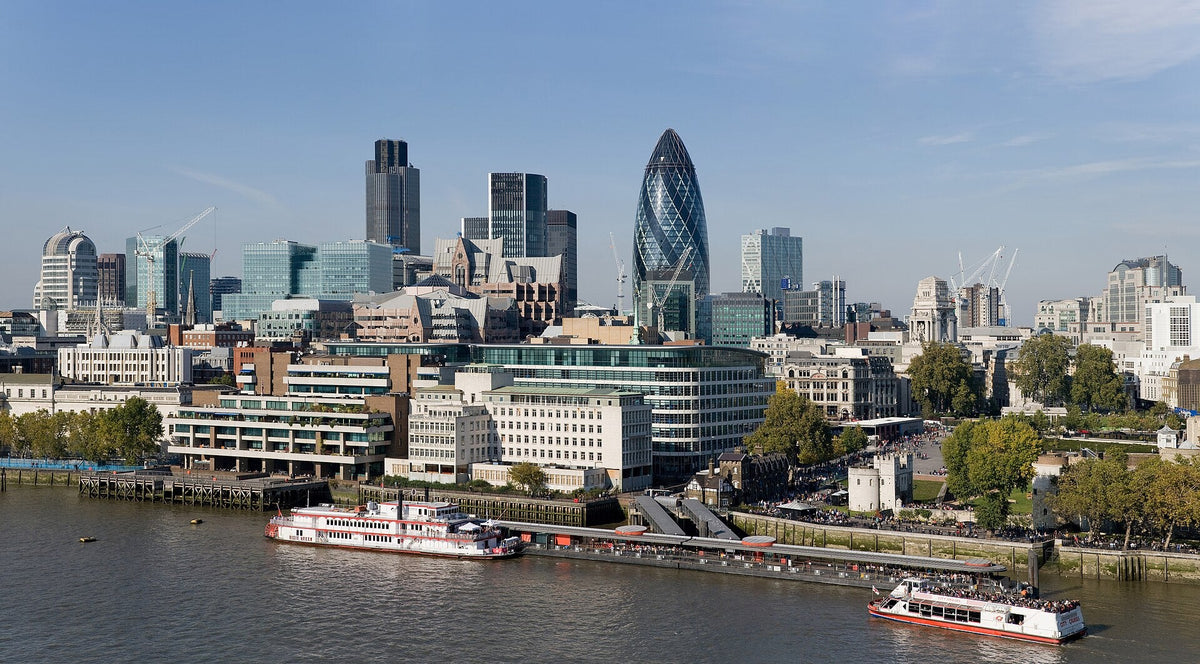
Photo: Historical view of London’s financial district from City Hall. Credit: David Illif. Image alignment and Photoshop editing by User:Colin and Kim Hansen via Wikimedia Commons. Licensed under CC BY SA 4.0. Displayed with a responsive crop. The photograph illustrates the location or subject and does not depict the reported transaction.


