

Applications exceeded the available capacity
Lindsell Train Investment Trust reported on October 12, 2026 that investors tendered 6,487,001 shares against a maximum purchase of 4,000,000. The tender price was 637.2910 pence, representing 95% of net asset value on the October 9 calculation date under the circular’s methodology.
Eligible basic entitlements were to be met in full, with approximately 20.89% of excess applications accepted. The announcement expected completion on October 16 and settlement on October 20, subject to changes in the timetable.
Source: Lindsell Train Investment Trust issuer announcement, October 12, 2026.
What oversubscription tells us
FOLITIC analysis: The result demonstrates demand for the offered exit, but it does not identify every investor’s reason for participating. Some holders may be reducing risk, reallocating capital or responding to the relationship between market price and underlying asset value. The tender figures alone cannot distinguish those motives.
A limited tender creates a specific liquidity window. It does not guarantee that all shares can later be sold close to asset value. Holders with excess applications can remain exposed to the portfolio and to changes in the discount after the transaction.
The remaining fund deserves a fresh assessment
After a repurchase, the size of the fund and the cost burden per remaining share can change. Investors should review the resulting portfolio and capital structure, rather than extrapolating the tender price into a future trading floor. The useful distinction is between a completed allocation calculation and the still separate processes of completion, cancellation and payment.
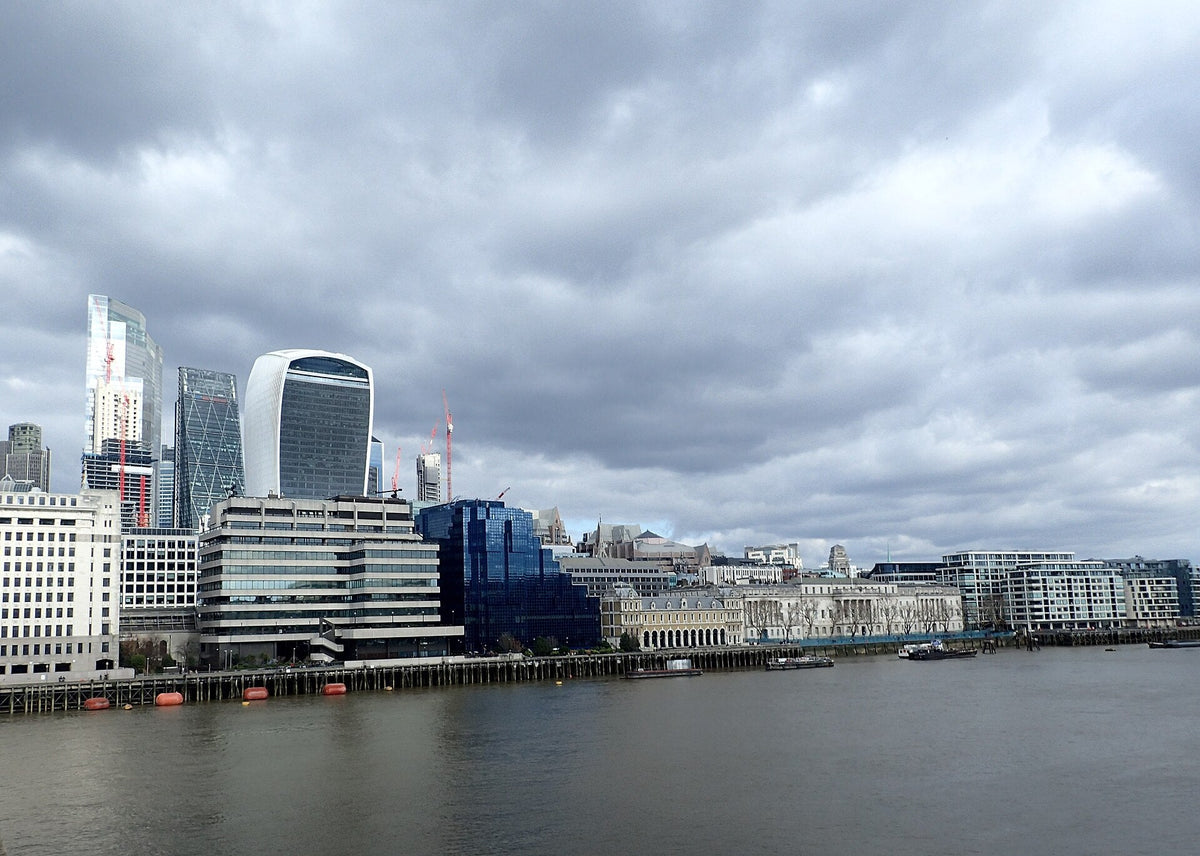
Photo: Historical photograph of the City of London skyline. Credit: Marathon via Wikimedia Commons. Licensed under CC BY SA 2.0. Displayed with a responsive crop. The photograph illustrates the location or subject and does not depict the reported transaction.


