AUD/NZD slips to 1.2111 despite New Zealand’s NZ$2.8 billion goods deficit
The Australian dollar lost ground against the New Zealand dollar in Nov. 20 reference rates, even after New Zealand reported a NZ$2.8 billion goods trade deficit.
Market data could not load. Please refresh or view the source.
FROM THE NEWSROOM
New stories will appear here as they are published. Select Latest News to see the newest coverage across all topics.
Latest News ↗
The Australian dollar lost ground against the New Zealand dollar in Nov. 20 reference rates, even after New Zealand reported a NZ$2.8 billion goods trade deficit.
The euro cost almost one yen more at the Nov. 19 reference point. Japan then reported October inflation of 2.3%, while the euro area’s reading stood at 4.0%.
The euro bought slightly more Swiss francs at the ECB reference rate. The inflation readings show why the two central banks face different pressures.
The Australian dollar fell against the yen in two successive RBA reference observations even as Australia's policy rate remained 360 basis points higher.
Canada's 3.1% inflation contrasts with Switzerland's 1.5%, but energy and different core definitions complicate the policy signal for CAD/CHF.
Ten of Sweden's 13 monthly cycle indicators were in expansion in September. Yet third quarter GDP growth of 0.4% matched the euro area, limiting a simple growth advantage argument for the krona.
New Czech central bank minutes reveal why some policymakers wanted to wait for decisions abroad. The current rate gap with the euro area does not settle the next move in EUR/CZK.
Flat Canadian factory sales conceal lower volumes. CAD/JPY still has a nominal policy rate gap, but Japan's approaching GDP release can change the comparison.
German wholesale prices rose 8.8% in October from a year earlier. EUR/GBP faces a supply cost shock while the UK policy rate remains 150 basis points above the ECB deposit rate.
Canadian building permit values fell in September. With the Bank of Canada's overnight target and ECB deposit rate both at 2.5%, EUR/CAD depends on the next change in outlook.
Aino Bunge's call for gradual Swedish rate increases puts the pace of policy convergence against Norway in focus, with a 250 basis point gap still in place.
New Zealand's November 17 expectations survey could change the policy comparison behind NZD/JPY. Its horizons and sample matter as much as the headline.
Recent SNB communications explain how the franc transmits monetary conditions through imported prices and demand, with different implications for euro investors and Swiss businesses.
New Australian housing loan commitments fell sharply in the September quarter, adding a demand test to the policy gap between Australia and New Zealand.
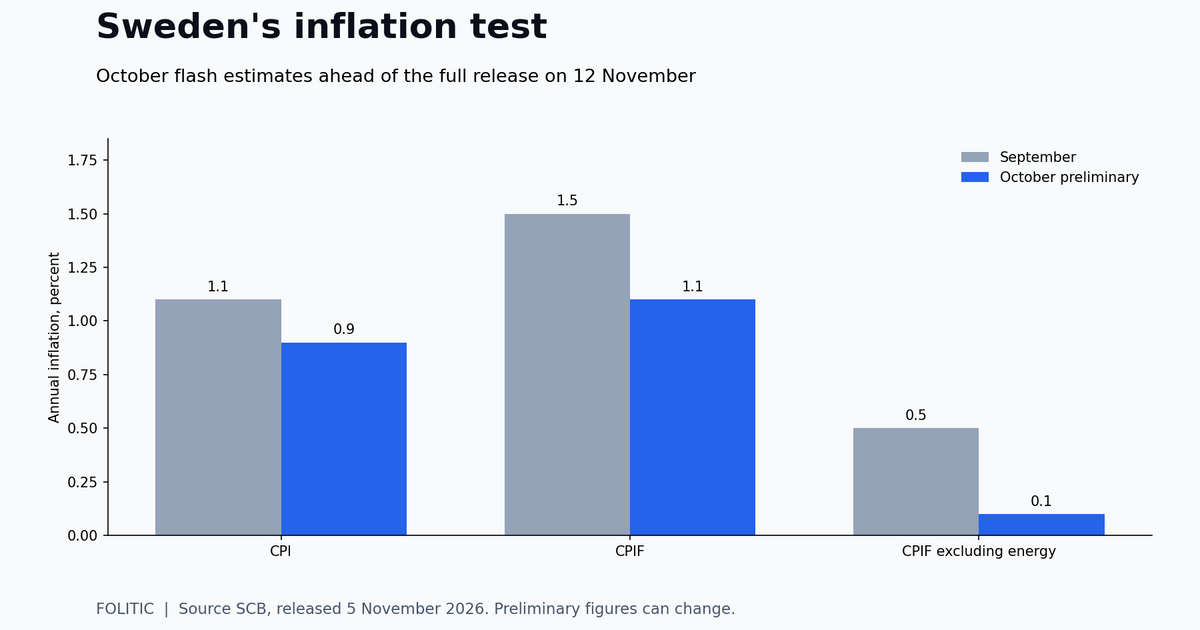
Sweden's preliminary inflation slowdown puts the November 12 release in focus for EUR/SEK. The key is whether the detail changes the relative policy outlook.
Norway’s new inflation figures complicate the krone’s policy support as the euro area faces its own inflation and growth balance.
The BOJ’s newly published debate puts the relative policy path in focus for EUR/JPY, with growth data set to test both economies.
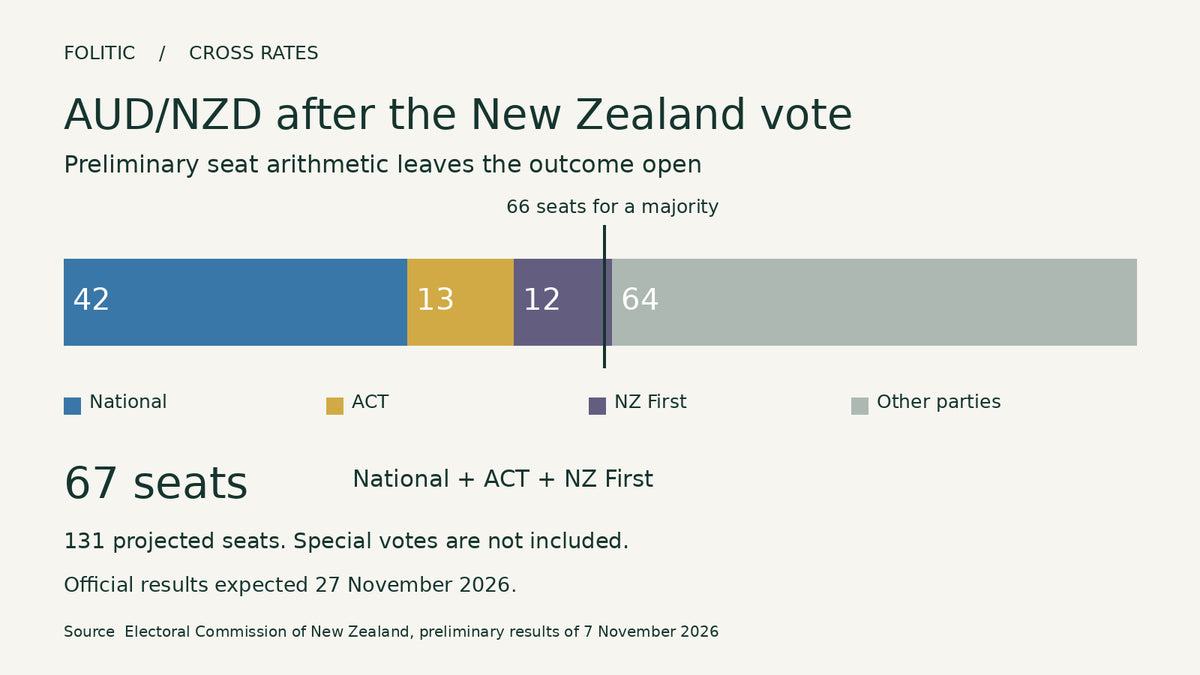
New Zealand’s preliminary election result adds a political test to AUD/NZD as the policy gap widens and the kiwi strengthens in dated RBA observations.
FOLITIC BRIEF
Sign up for FOLITIC launch news, new resources, and updates.