

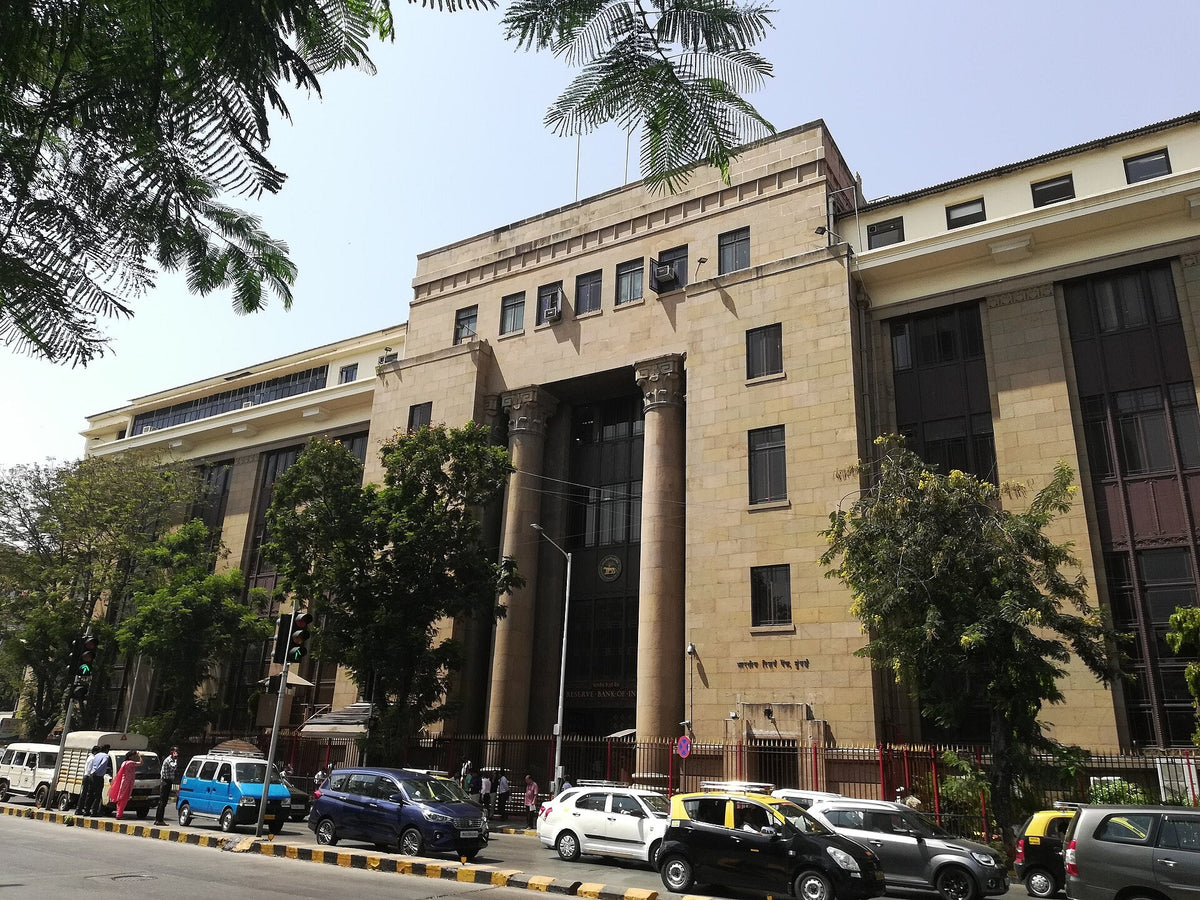
Illustrative file photo: A Reserve Bank of India building in Mumbai, February 2020. Photo: Anurag Vijay 03 via Wikimedia Commons. CC BY SA 4.0. Image previews may be cropped or resized. The photograph remains under the same license.
The October decision
The Reserve Bank of India’s October 7, 2026 resolution raised the policy repo rate by 25 basis points to 5.50%. It also changed the stance to calibrated tightening. The resolution linked its assessment to inflation pressures and a resilient domestic economy.
The practical currency issue is whether the policy response improves confidence in future purchasing power without creating an unexpectedly large drag on activity. The announcement alone cannot establish how the rupee will trade.
A supply shock creates competing pressures
FOLITIC analysis: Higher imported input costs can require more foreign currency to pay for the same volume of goods. They can also raise domestic prices and encourage tighter policy. Those channels pull in different directions for an exchange rate, which is why the phrase higher rates support the currency is incomplete.
A credible policy response can help contain inflation expectations. But investors also need to consider how higher borrowing costs affect companies, households and capital spending. The quality and durability of growth matter for currency exposure over a longer horizon.
An Indian equity return is not a rupee forecast
A company can improve earnings through stronger volumes, better margins or productivity even when its currency weakens. For an overseas shareholder, the final result includes both that business performance and currency translation. Separating them helps prevent a strong growth narrative from becoming an unsupported exchange rate prediction.
Currency hedging can reduce some translation uncertainty, but access, costs and effectiveness depend on the investment vehicle and the market. Investors should read the actual hedge policy rather than assume that buying a fund in their home currency removes rupee exposure.
Evidence that would sharpen the view
Monitor how broadly inflation pressures spread, whether household demand remains resilient and how external financing conditions change. Read subsequent policy guidance alongside those releases. The October decision shifts the monetary starting point, while the investment outcome still depends on valuation, the holding period and the particular currency exposure carried by the asset.
Sources and context
- Reserve Bank of India October resolution, reproduced by Complied AI
- Reserve Bank of India original policy resolution, October 7, 2026
Analysis prepared on October 10, 2026. Policy figures refer to the dated decisions cited above. Scenarios and portfolio implications are FOLITIC analysis, not reported exchange rate movements.


