

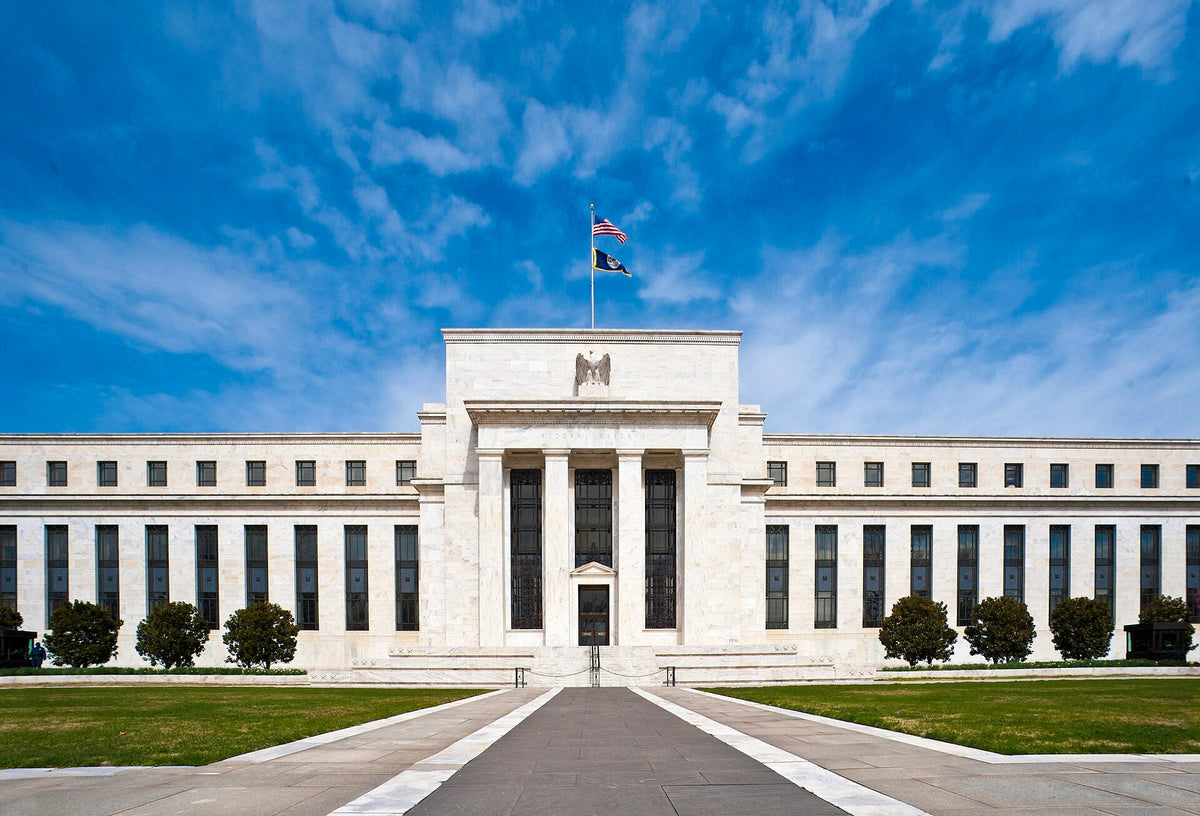
Illustrative file photo: The Federal Reserve Eccles Building in Washington, March 2011. Photo: Federal Reserve via Wikimedia Commons. Public domain. Image previews may be cropped or resized.
A higher starting point
The Federal Reserve raised its target range by 25 basis points to 3.75% to 4.00% on September 16, 2026. Its statement described inflation as elevated and economic activity as expanding at a solid pace. All voting members supported the decision.
For the dollar, a rate increase changes the return available on some cash instruments and the reference point for future policy. It does not, by itself, establish that the currency is cheap or that another increase will follow.
The surprise matters as much as the level
FOLITIC analysis: A decision that investors have already anticipated may have a smaller currency effect than an unexpected change in the projected path. The useful comparison is between the policy outlook before the announcement and the outlook afterward, rather than simply between today’s rate and yesterday’s.
A rise in US yields can make dollar assets more appealing, but its meaning matters. Stronger expected growth, persistent inflation and a larger risk premium can all lift yields. Those explanations have different implications for equities, bonds and currencies. A yield chart alone cannot distinguish them.
Separate the asset from the currency
An investor whose spending currency is not the dollar has two sources of return on an unhedged US investment. One is the asset’s performance in dollars. The other is the change in the dollar against the investor’s own currency. A positive cash yield can coexist with a loss after conversion.
A hedged share class changes that calculation. Its result includes the cost or benefit of the hedge, fees and imperfect tracking. Comparing a dollar deposit rate directly with the return on a hedged fund would miss those components.
The next useful evidence
Watch inflation composition, employment and changes in expectations for subsequent Fed meetings. Compare those signals with developments at the other central bank in the currency pair. A stronger dollar outlook requires a relative case, not just a statement that US rates are high. This analysis does not assume or report a particular exchange rate reaction.
Sources and context
Analysis prepared on October 10, 2026. Policy figures refer to the dated decisions cited above. Scenarios and portfolio implications are FOLITIC analysis, not reported exchange rate movements.


