News date: 6 October 2026 · FOLITIC briefing
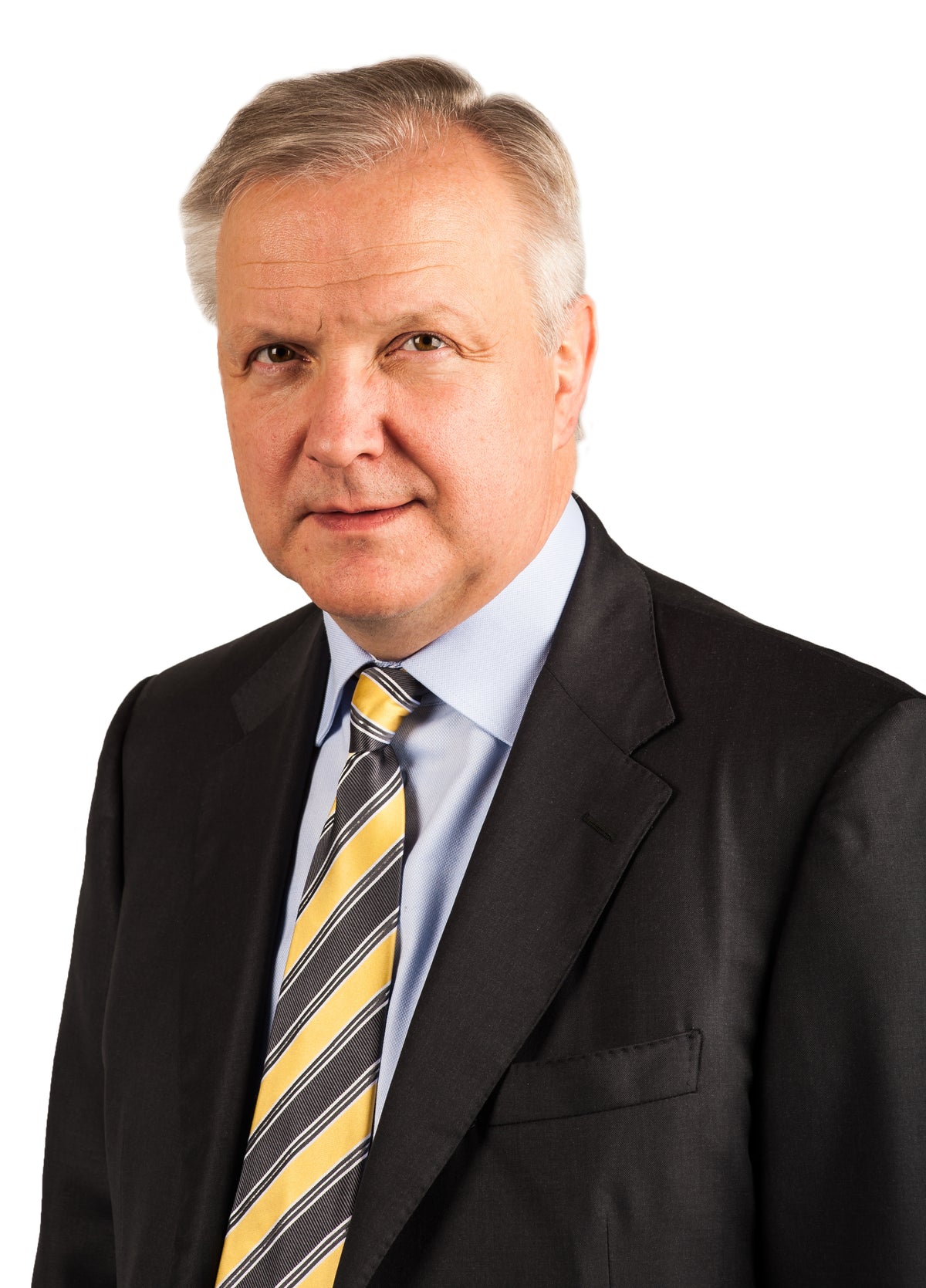
Olli Rehn, photographed on 19 January 2014. File photo. Photo: Moritz Kosinsky / Wikipedia. Image source · CC BY-SA 3.0 DE. Displayed at responsive sizes; previews may be cropped. The photograph remains available under its stated license.
What happened
European Central Bank policymaker Olli Rehn said on 6 October that rapidly rising energy prices had not yet spread widely into other goods and services across the euro area.
His central point was that higher long-term borrowing costs could work in the opposite direction. Rising bond yields restrain economic activity, potentially reducing how far companies pass energy costs into prices and how strongly those costs feed into wages.
Rehn's comments come as inflation runs above the ECB's 2% target and officials debate further tightening after two rate increases during the summer. His assessment highlights competing forces rather than announcing a new policy decision.
Why it matters
FOLITIC reading: energy inflation and broad inflation are different measures of pressure. The key question for households and businesses is whether the initial energy shock becomes a persistent rise in other prices. Wage developments, services inflation and financing conditions will therefore matter alongside oil prices in assessing the policy outlook.
Source
Reuters, via Investing.com. Independently written summary of the linked reporting or release; original reporting is credited to its source.