

The evidence
Glassnode’s published exchange methodology explains that addresses change as platforms reorganize custody. An initially unidentified destination can later be added to an exchange cluster, revising earlier flow estimates. This is a methodology analysis reviewed on October 14, 2026, not a report of a newly detected whale.
The research distinguishes verified addresses, external labels and clustering. These methods have different evidence requirements, and an early label may be less reliable than one supported by subsequent transactions.
Source: Glassnode exchange metrics methodology, April 22, 2021.
FOLITIC analysis
Imagine an exchange moves coins into a newly created cold wallet. An alerting system that knows only the sending address may record a withdrawal. Once the destination is identified as belonging to the same platform, the economic interpretation changes while the blockchain transaction itself stays exactly the same.
This creates a practical problem for dramatic headlines. The largest transfer can be the least informative if it is an operational movement. A smaller transfer to a well understood destination may tell an analyst more about how funds are being used.
The appropriate confidence level should travel with the label. A useful record includes the transaction time, asset amount, label source and the date that the classification was last checked.
What to watch
Look for confirmation of control and repeated patterns across a defined period. Avoid inferring the identity, nationality or intentions of a pseudonymous owner from an address balance alone.
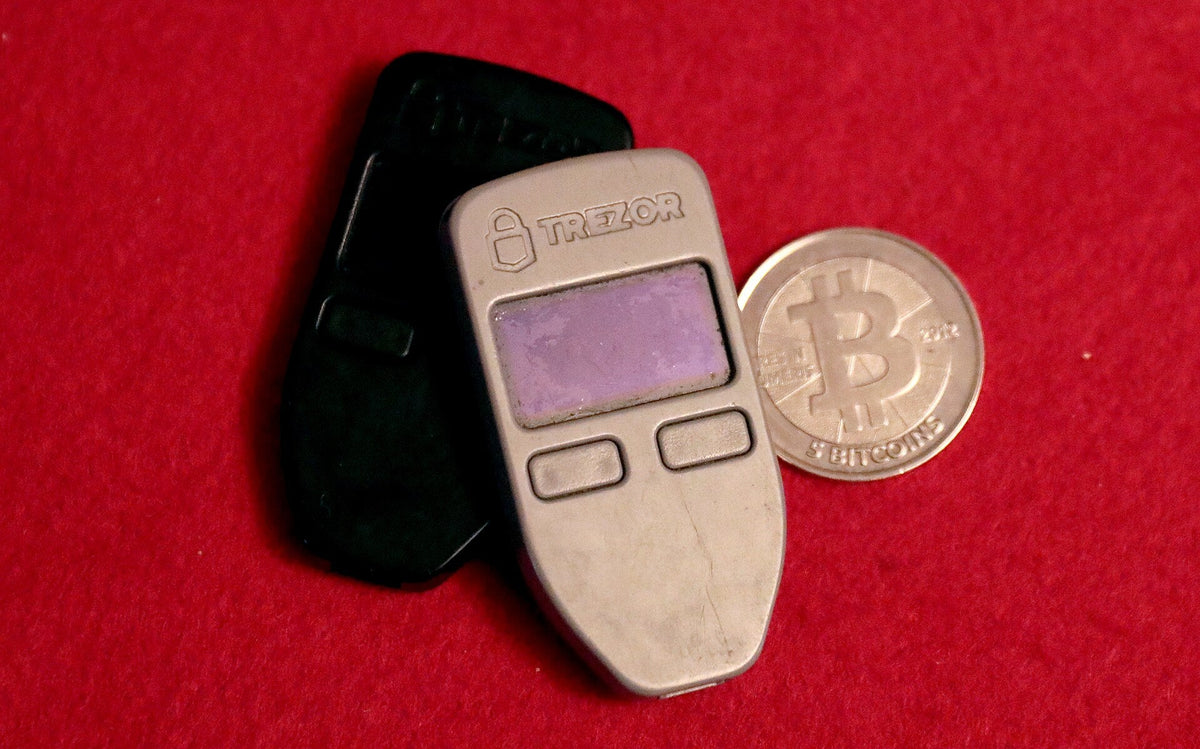
Image: Illustrative photograph of hardware wallets and a physical Bitcoin themed coin. Credit: Gage Skidmore via Wikimedia Commons. Image license: CC BY SA 3.0. Displayed with a responsive crop. This illustrative image does not depict the reported transaction.


