

The evidence
Monero’s documentation explains that its privacy protections conceal the sender, recipient and amount of a transaction by default. Its design uses mechanisms including ring signatures, stealth addresses and RingCT.
This means public records cannot be read like a conventional transparent account ledger. A claim to have observed a specific whale’s balance or a large transfer amount needs evidence beyond an ordinary public explorer view.
Source: Monero project FAQ, reviewed October 14, 2026.
FOLITIC analysis
The limitation is methodological, not a reason to label every user suspicious. Privacy can serve ordinary confidentiality needs, and a lack of public visibility does not establish unlawful activity.
For investors, analysis should focus on what can be measured responsibly. Network level observations and publicly documented exchange conditions may provide context, but they do not reveal the complete distribution of individual holdings. Claims based on voluntary disclosures should be labeled as disclosures rather than universal network facts.
Privacy also does not justify promises of absolute anonymity under every circumstance. Operational mistakes, service records and information outside the blockchain can change what an investigator knows. Those possibilities should not be confused with a public ability to see all transaction amounts.
What to watch
Ask how a claimed wallet identity or amount was obtained. Separate direct public observations from owner disclosures and third party estimates. When evidence does not support a whale transfer conclusion, the accurate result is an explicit limit on visibility rather than an invented flow chart.
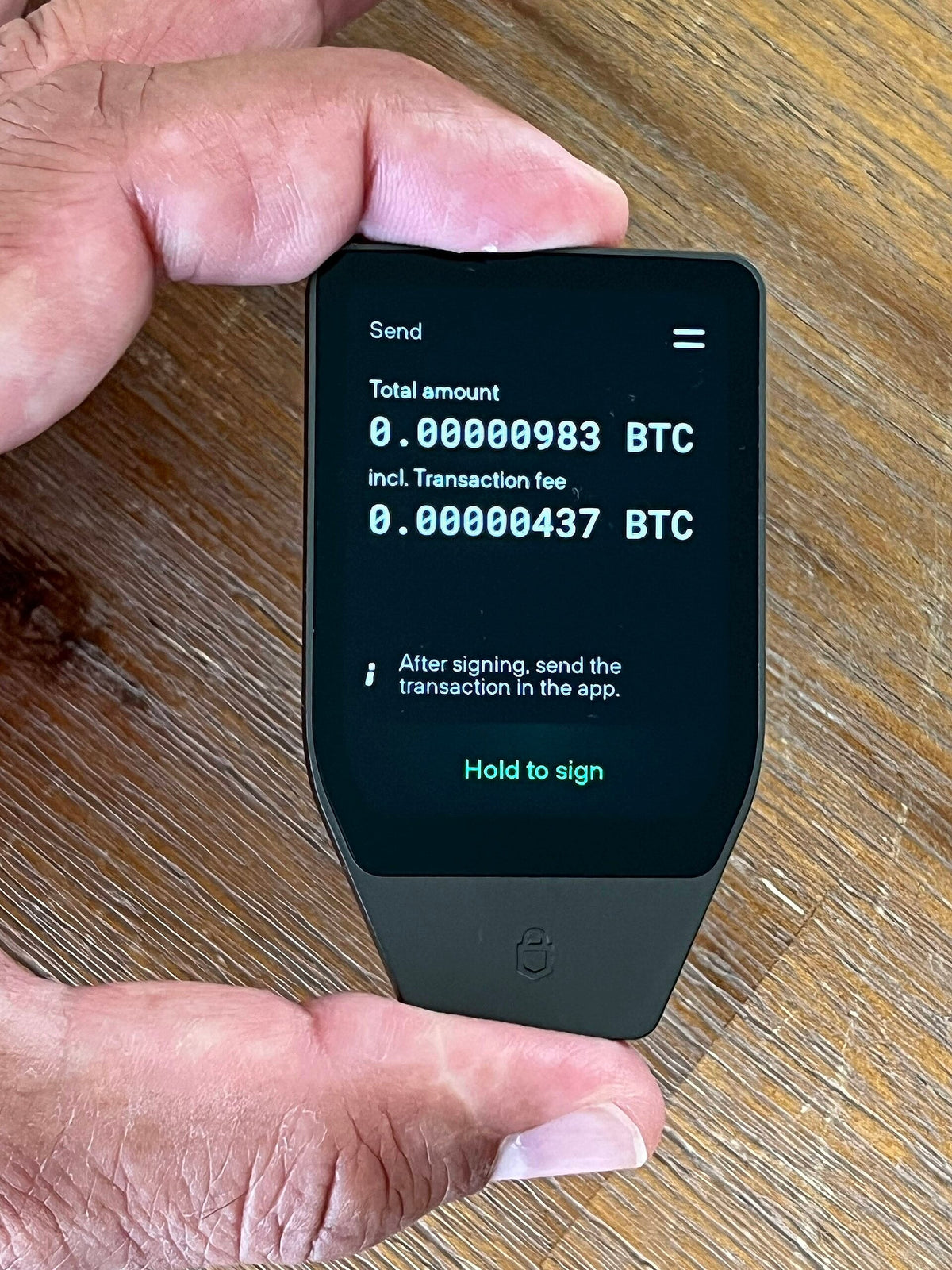
Image: File photograph of a Trezor Safe 7, illustrating digital asset privacy and custody. Credit: FlippyFlink via Wikimedia Commons. Image license: CC0. Displayed with a responsive crop. This illustrative image does not depict the reported transaction.


