

The evidence
Aave Labs reported on February 5, 2026 that more than $360 million, representing over 80% of Cap’s cUSD reserves, was deployed in the Aave V3 Core Ethereum market. The report described automatic placement of idle reserves while retaining a redemption buffer.
These figures describe the case study’s reference period. They should not be presented as Cap’s current reserve balance or a fresh deposit detected today.
Source: Aave Labs Cap case study, February 5, 2026.
FOLITIC analysis
The onchain relationship is more important than the headline size. Capital counted as backing for one protocol can simultaneously appear as supplied liquidity in another. Adding both totals as if they were independent pools of cash would overstate the amount of external funding.
For an investor assessing resilience, the question is how a redemption at the first protocol reaches the second. A large withdrawal could change utilization and borrowing costs even without anyone selling a volatile token.
Concentration can work in both directions. A substantial supplier can deepen available liquidity, but reliance on a small number of depositors makes their withdrawal behavior more relevant. Neither observation establishes that a withdrawal is imminent.
What to watch
Track reserve composition, available redemption liquidity and supplier concentration together. Compare changes in supplied assets with borrowing and repayments before attributing a rate move to a new wave of speculative demand.
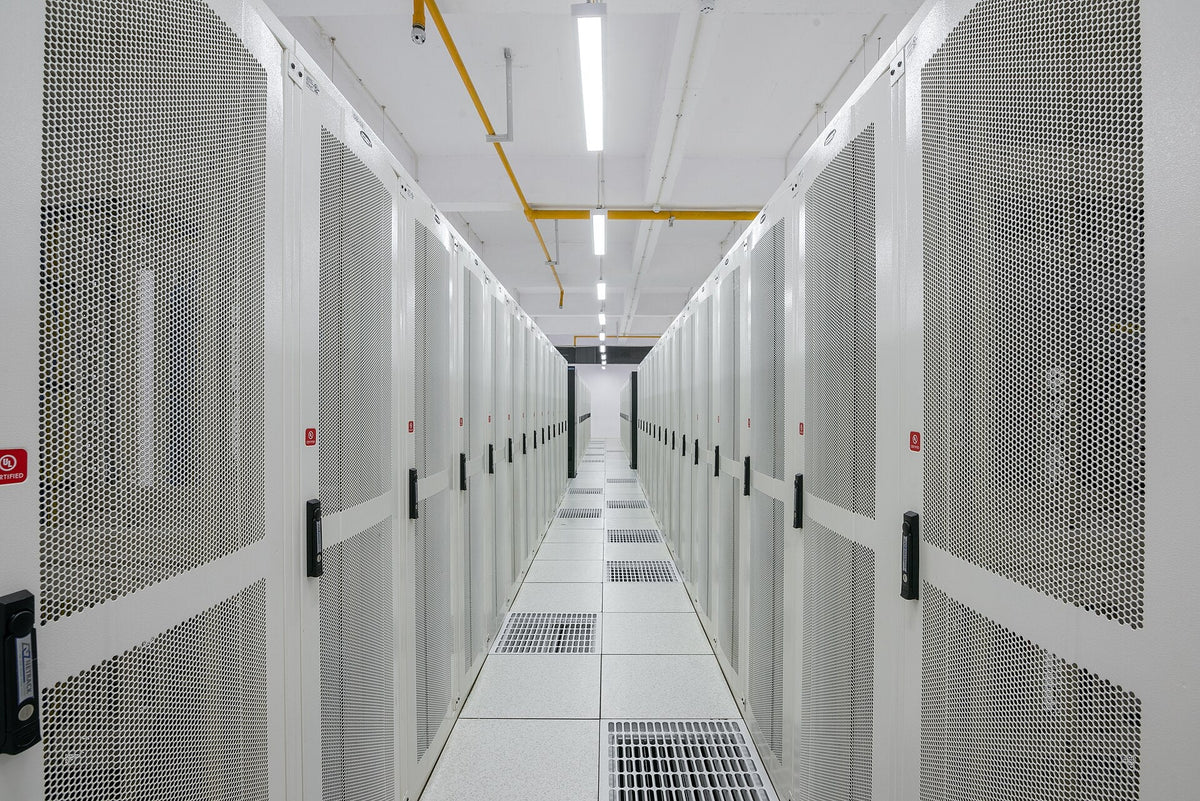
Image: File photograph of data storage racks at Pi Data Centers, illustrating network infrastructure rather than an Aave installation. Credit: PiDatacenters via Wikimedia Commons. Image license: CC BY SA 4.0. Displayed with a responsive crop. This illustrative image does not depict the reported transaction.


