News and analysis
Brazilian orange juice stocks held worldwide by CitrusBR members rose 161.9% from a year earlier to 383,200 metric tonnes on June 30, 2026. The association's November 10 statement shows a much larger inventory buffer, alongside weaker processing efficiency during the 2025/26 crop season.
A larger buffer measured on a consistent juice basis
The CitrusBR statement compares those stocks with 146,300 tonnes on June 30, 2025. Both figures use frozen concentrated orange juice equivalent at 66 degrees Brix. They cover member companies' global stocks of Brazilian juice, not all juice in every country and not today's available inventory.
For the citrus belt's 2025/26 processing season, the weighted fruit requirement rose to 281.2 boxes of 40.8 kilograms per tonne of the same juice equivalent, from 276.9 boxes. More boxes per tonne means weaker industrial yield, not better efficiency. CitrusBR reports a 1.6% increase in fruit required.
Inventory relief and processing costs can diverge
A bigger stock buffer can improve a processor's ability to meet delivery commitments when fresh supply is uneven. It does not remove the cost of buying, storing, financing and moving that inventory. The benefit depends on usable product specifications and the timing of customer orders.
The fruit conversion ratio adds a separate constraint. If a processor needs more fruit to obtain a given quantity of concentrated juice, a larger harvest need not translate into an equally large increase in output. The ratio alone cannot establish the company's margin because fruit prices, energy costs and selling contracts can also change.
For beverage buyers, an aggregate stock increase is therefore a reason to reassess supply flexibility, not proof that every purchase contract has become cheaper. Finished juice prices also reflect packaging, transport, distribution and commercial terms.
The stock date limits the market conclusion
The release is new, but the inventory date is June 30. Treating the figure as a November stock count would erase several months of production and deliveries. A current procurement decision needs newer information about shipments, product availability and contract specifications.
If subsequent deliveries reduce inventories faster than new processing replenishes them, the apparent buffer could narrow. If stocks remain ample and usable supply reaches buyers, purchasing flexibility could improve. Neither path is established by this single snapshot.
Readers can use the harvest to customer framework to separate crop size, processing efficiency and retail costs. No live orange juice quote or futures settlement is used here, and concentrated juice equivalent must not be confused with tonnes of fresh oranges.
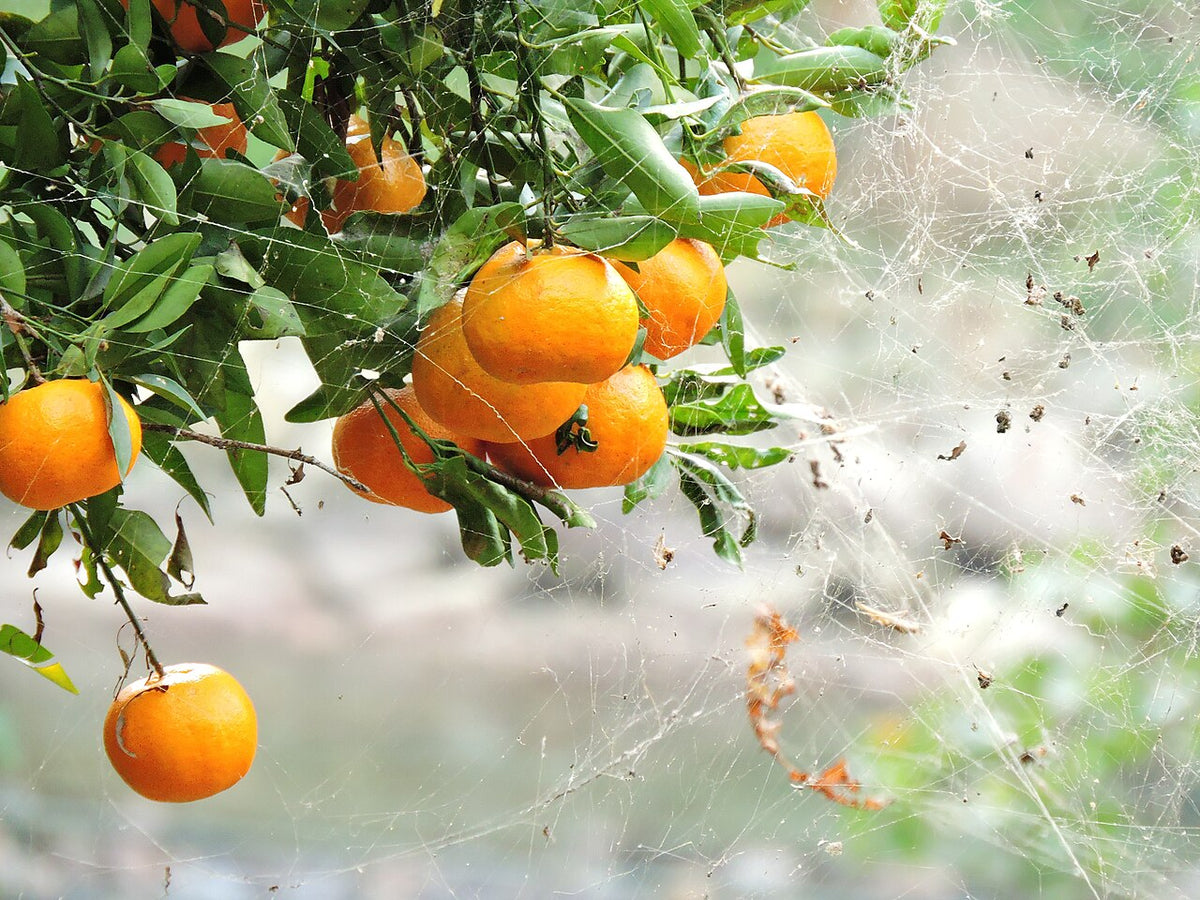
Archival illustrative photograph of oranges in Pelling, India, taken in December 2014. It does not depict the Brazilian crop. Subhamwiki1984, Wikimedia Commons, CC BY SA 4.0. Reduced resolution, with no editorial alteration.