

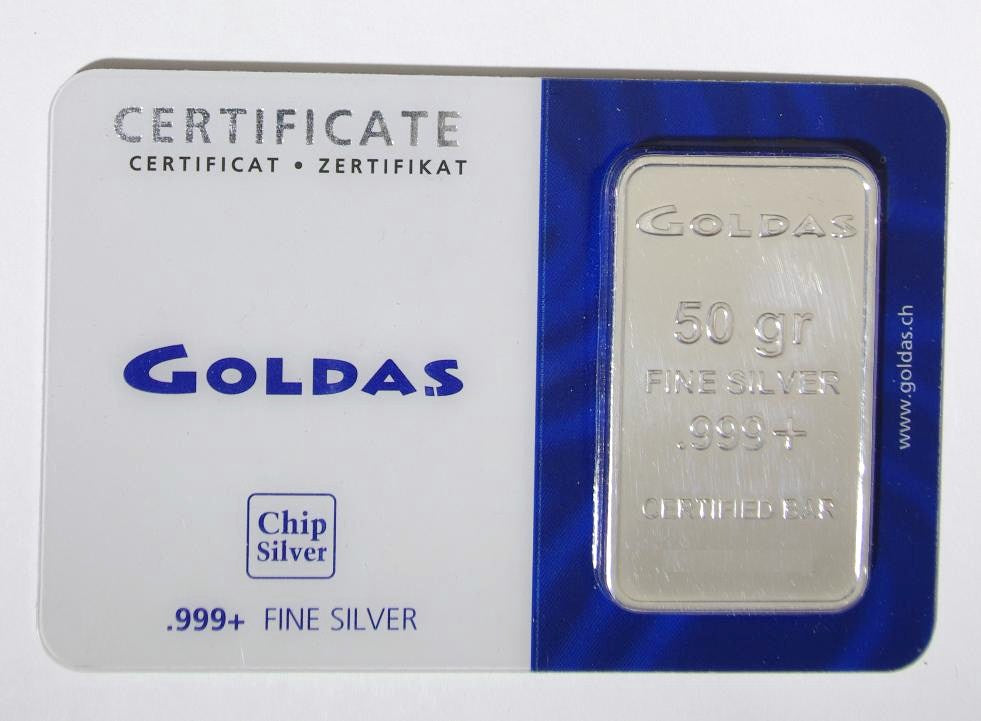
Illustrative file photo: Silver bullion with an assay card, January 2011. Photo: Kjmonkey via Wikimedia Commons. CC0. Image previews may be cropped or resized.
What happened
The Silver Institute’s April outlook projected a 46.3 million ounce silver deficit for 2026, with mine output broadly flat and industrial demand falling 3%. This is an annual forecast, not a measurement of today’s available inventory.
Its combination of weaker consumption and a continuing shortfall is the starting point for this analysis. A deficit describes the balance between new supply and demand during a period. Existing metal can help bridge that gap.
Why it matters for investors
FOLITIC reading: A shortage in an annual balance sheet does not tell an investor when prices will rise. Metal already held in vaults can be sold, while owners can also decide that the current price is too low to release it. Location, delivery requirements and the willingness to sell all affect availability.
For a bullion fund holder, the main exposure is the value of the metal, alongside fees and product structure. A mining shareholder also depends on production costs, capital spending and the company’s other metals. The same silver outlook can therefore lead to different investment outcomes.
The useful distinction is between a physical constraint and a valuation argument. Evidence that inventories are being drawn down deserves attention. It does not establish what price already reflects that information.
What to watch next
Compare subsequent inventory and supply updates with the assumptions in the April report. Avoid treating an annual estimate as a fresh daily trading signal.
Check whether a portfolio’s silver position is held through physical metal, a fund, futures or mining equities. Each route introduces a different combination of costs and risks.
Source
Silver Institute, World Silver Survey 2026 release. Report reference: April 15, 2026.
This article provides general information and analysis, not personalised investment advice.


