

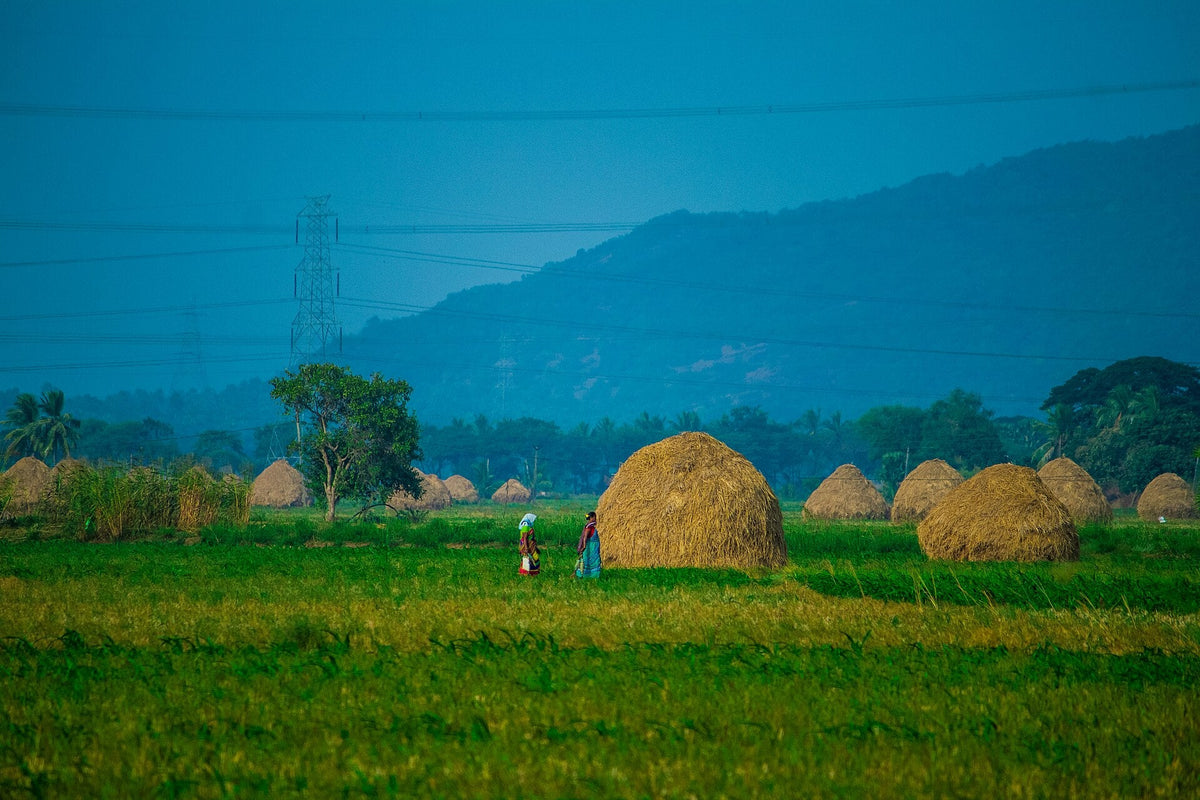
Illustrative file photo: Rice fields near Kunavaram, India, December 2019. Photo: Mahesh Pitani via Wikimedia Commons. CC BY SA 4.0. Image previews may be cropped or resized. The photograph remains under the same license.
What happened
FAO’s All Rice Price Index rose 1.4% in September. Its October release linked firmer Indica quotations to weather concerns and seasonally tighter supply.
This is a monthly international price measure. It is not the retail price of rice, a live futures quote or evidence that every rice variety rose by the same amount.
Why it matters for investors
FOLITIC reading: Rice markets differ by variety, quality and origin. A buyer seeking one specification cannot always replace it immediately with another. That limits what a broad price index can tell us about a particular processor or trading company.
Seasonal supply also needs context. A period with fewer export offers may ease when the next harvest arrives, while damage to a crop can have longer effects. Investors should distinguish a timing issue from a lasting loss of output.
For a food business, higher raw material costs may reach earnings gradually because inventory and purchase contracts delay the effect. For a producer, a higher selling price may be offset by lower yields or increased costs. A price increase by itself does not establish who benefits.
The portfolio question is therefore specific: which market, which grade and which business margin is the investment exposed to?
What to watch next
Watch harvest progress, export availability and weather updates from the relevant origins. Compare delivered quotations on the same quality basis.
Use subsequent monthly releases to test whether the increase persists. Avoid treating an index movement as a direct estimate of a company’s revenue or profit.
Source
FAO, September 2026 Food Price Index release. Report reference: October 2, 2026.
This article provides general information and analysis, not personalised investment advice.


