

News date: 7 October 2026 · FOLITIC briefing
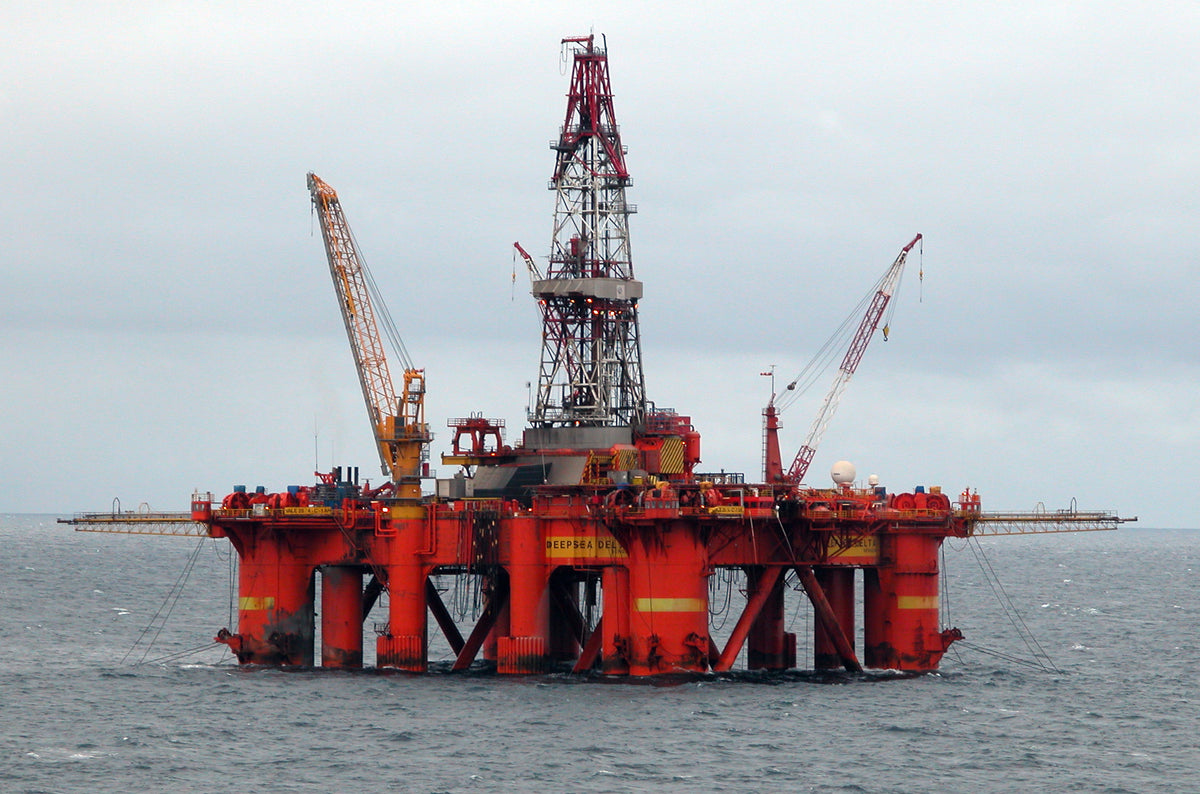
Deepsea Delta drilling rig in the North Sea, 14 August 2005. File photo illustrating offshore oil production; not a facility affected by the current storm. Photo: Erik Christensen. Image source · CC BY-SA 3.0. Displayed at responsive sizes; previews may be cropped. The photograph remains available under its stated license.
What happened
Oil prices rose in early trading on 7 October as traders weighed weather risks to US production and attacks in the Middle East against increased regional crude supply.
At 00:22 GMT, Brent futures were up 93 cents, or 0.92%, at $101.51 a barrel. US West Texas Intermediate rose 82 cents, also 0.92%, to $90.25. These are timestamped market observations, not live quotations or closing prices.
Reuters reported that a storm heading toward US oil-producing areas and attacks by Yemen's Iran-backed Houthis on Saudi Arabia were supporting concerns about supply interruptions.
Why it matters
FOLITIC reading: prices can rise before any measurable loss of output because traders assign a value to the risk of disruption. The economic impact ultimately depends on how much production or transport capacity is affected, for how long, and whether other suppliers compensate.
For businesses, the next useful signals are confirmed production shutdowns, shipping conditions and subsequent inventory data. Early-session price gains should not be mistaken for proof that a sustained shortage has already developed.
Source
Reuters, via Investing.com. Independently written summary of the linked reporting or release; original reporting is credited to its source.


