

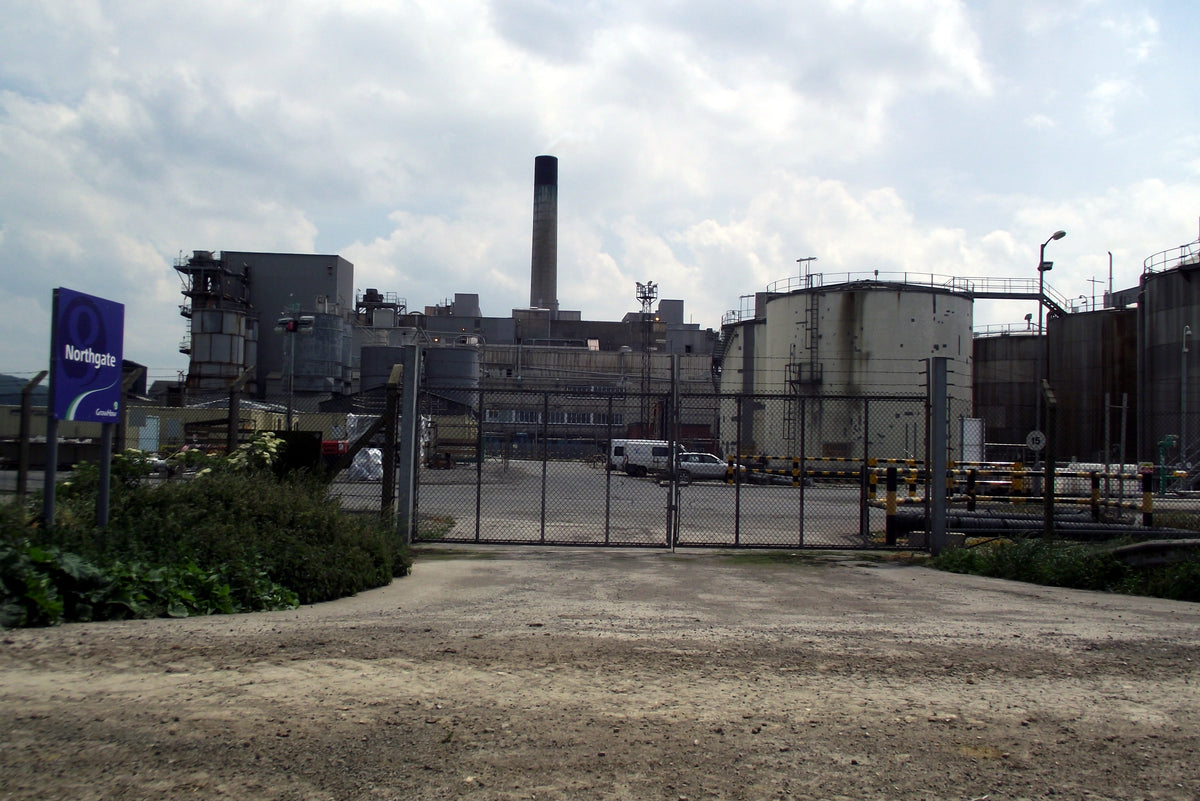
Stanlow refinery in Cheshire, June 2011. Photo: Joe Blundell, via Wikimedia Commons, CC BY SA 3.0. Historical file photograph used for context. Responsive previews may be cropped or resized and remain under the same license. The image does not depict a current disruption.
What happened
The U.S. Energy Information Administration raised its forecast for Brent crude in the fourth quarter of 2026 to an average of $105 a barrel. That is $14 above its September projection.
Released on October 6, the outlook assumes Middle East oil flows remain constrained through the quarter. The agency expects Brent to average $84 in 2027. These are forecasts, not live quotes or guaranteed future prices.
The model was completed on October 1. It does not specifically include subsequent market events, including additional supply that might result from the G7 announcement on October 2.
Why it matters for investors
FOLITIC reading: The revision is a reminder to examine the assumptions behind an oil price target. A portfolio built around prolonged disruption could behave very differently if transport routes recover sooner than expected.
It is also useful to separate crude producers from refiners and businesses that consume fuel. Higher oil prices can support a producer’s revenue while increasing costs elsewhere. For a refiner, the relationship between the cost of crude and the price of the products it sells matters more than the crude price alone.
What to watch next
Follow actual shipments, inventories and subsequent forecast revisions. Compare those observations with the assumptions behind an energy holding. A forecast change is a reason to revisit the investment case, rather than proof that a particular share or fund must rise.
Source
EIA, October 2026 energy outlook, released October 6, 2026. The interpretation above is FOLITIC’s own.


