

Philippine foreign direct investment is providing less external financing this year, with the decline concentrated in borrowing between related companies. Bangko Sentral ng Pilipinas data available on November 11 show net inflows of US$4.768 billion for January through August 2026, against US$5.902 billion a year earlier.
The financing mix explains the decline
The latest BSP table puts net debt investment at US$2.565 billion, down from US$3.661 billion. Net equity excluding reinvested earnings was nearly unchanged at US$870 million, while reinvested earnings were US$1.333 billion. August alone improved to US$690 million from US$552 million.
Calculated from those rounded totals, the cumulative shortfall is US$1.134 billion, or 19.2 percent. The debt component explains about 96.6 percent of that shortfall. A stronger single month therefore does not establish a recovery across the full year.
That composition changes the question for currency analysis. The immediate issue is how companies replace a smaller source of related party financing. Domestic borrowing, retained cash, delayed spending or other overseas funding would each create a different combination of currency demand and balance sheet risk.
Investment flows are not spot orders
The series covers nonresident direct investment liabilities, including equity, retained earnings and mainly intercompany debt. It is not a measure of portfolio positioning or approved investment commitments. The current totals are preliminary.
A direct investment entry cannot be read as an identical dollar sale for pesos. Retained earnings can remain within an operating business. A company may use an existing foreign currency balance, receive equipment or hedge a future payment. The financial account identifies an economic relationship, without revealing every associated spot transaction.
For USD/PHP, a higher quote means more Philippine pesos per US dollar and therefore a weaker peso. If reduced external financing forces firms to compete for scarce dollar funding, that could add pressure. If other inflows compensate or import financing needs fall, the currency effect could be smaller.
These are conditional channels. No current exchange rate, observed market reaction, hedge ratio or forced liquidation is asserted. Monthly investment statistics cannot identify today's investor positioning or explain a short intraday move by themselves.
The revision is part of the evidence
BSP revised January through June to incorporate investment in kind. Those figures differ from its current balance of payments tables and are scheduled to be incorporated into the quarterly release on December 11. Comparisons should use the same statistical vintage.
The bank's calendar scheduled the August FDI release for November 10. Within the coming seven days, September remittance data are scheduled for November 16. Remittances provide a separate external funding channel, but their release will not update these August investment observations.
For businesses, the useful follow through is whether financing sources change and whether currency liabilities remain matched to receipts. A smaller direct investment inflow need not mean every foreign investor is retreating, and positive inflows do not establish that external financing needs are fully covered.
Sources are the BSP FDI table and methodological notes and its advance release calendar. FOLITIC's guide to spot markets and hedging instruments explains why investment and currency transactions can differ.
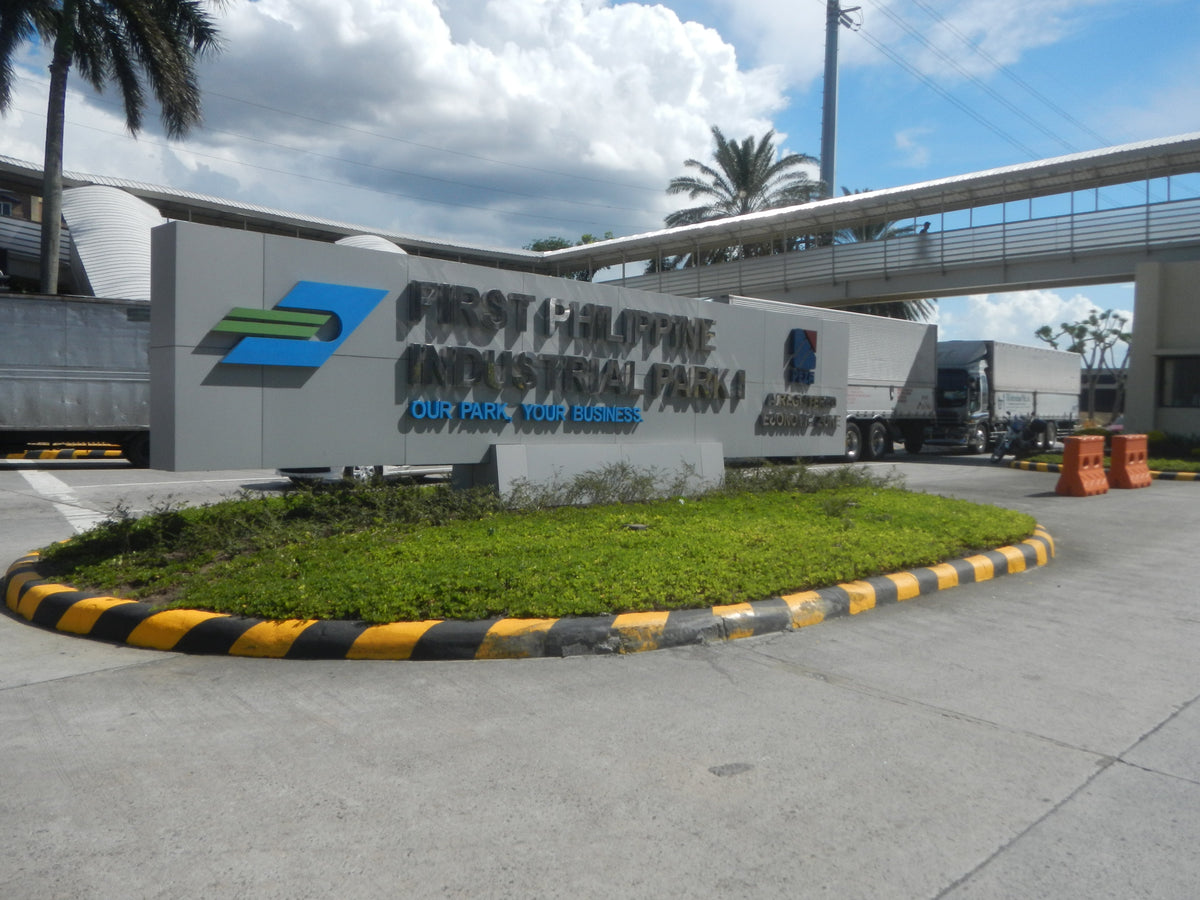
Archive photograph of First Philippine Industrial Park in Batangas, April 2018, by Judgefloro via Wikimedia Commons, dedicated to the public domain under CC0. The image illustrates an industrial setting and does not identify a recipient in the current data.


